
Introduction
Bucket hats have become an established product category across apparel brands, promotional merchandise, outdoor equipment, and headwear wholesale markets. Their relatively simple construction, adaptable brim designs, and compatibility with different fabrics make them suitable for a wide range of product lines. For brands and retailers, bucket hats also offer considerable flexibility in material selection, functional features, and logo customization.
However, sourcing bucket hats at commercial scale involves more than selecting a basic shape. Buyers need to consider fabric performance, construction consistency, customization lead times, minimum order quantities (MOQs), and the manufacturer’s ability to maintain product specifications across repeat orders. Inconsistent sizing, differences in fabric weight, poor stitching, and unclear material specifications can all affect product quality and resale value.
As a professional custom cap manufacturer, we work with brands, wholesalers, retailers, and corporate buyers to develop bucket hats that meet specific market and production requirements. This guide covers the main bucket hat styles, material options, functional features, and customization processes to help buyers make informed sourcing decisions.
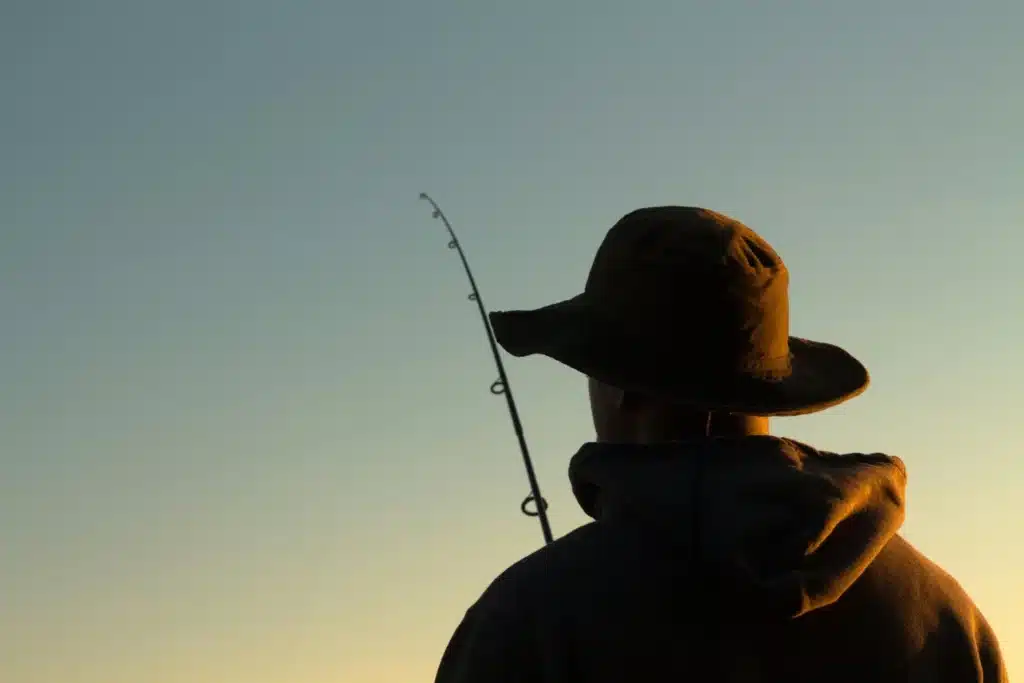
Bucket Hat Styles: Understanding Different Structures
Bucket hats are available in several construction styles. Each silhouette serves different product positioning, customer requirements, and distribution channels. Choosing the right structure at the development stage helps control production costs and reduces unnecessary sampling adjustments.
Wide-Brim Bucket Hats
The wide-brim bucket hat features a downward-sloping brim and a relatively deep crown. Its wider brim provides greater coverage around the head and is commonly used in casual apparel collections and outdoor merchandise.
For B2B buyers, this is one of the most versatile starting points. The uncomplicated construction supports cotton, polyester, nylon, and blended fabrics. It also provides sufficient space for front embroidery, woven labels, and printed branding.
Suitable applications:
1. Apparel brands developing core seasonal headwear collections
2. Retailers sourcing general-purpose bucket hats
3. Outdoor and travel-related product lines
Narrow-Brim Bucket Hats
Narrow-brim bucket hats have a more compact brim, creating a different proportion from traditional wide-brim designs. They are suitable for brands targeting lightweight casual headwear and collections where reduced brim coverage is preferred.
Their smaller brim also affects material consumption, which may help reduce fabric costs depending on the pattern and construction. However, buyers should evaluate the brim’s structure carefully to ensure it retains its intended shape after repeated use.
Suitable applications:
1. Contemporary apparel brands
2. Fashion retailers
3. Lightweight seasonal collections
Packable and Foldable Bucket Hats
Packable bucket hats are designed to be folded, rolled, or compressed for storage and transportation. They are commonly produced using lightweight nylon, polyester, or thin cotton fabrics.
This construction is particularly relevant to outdoor, travel, and sporting goods markets. For wholesalers and retailers, packable designs provide a functional selling point without necessarily requiring complicated manufacturing processes.
When developing this style, buyers should consider:
1. Fabric recovery after folding
2. Resistance to permanent creasing
3. Brim flexibility and shape retention
4. Reinforcement around frequently handled areas
A flexible brim construction and suitable fabric weight are important for maintaining usability after repeated folding.
Adjustable Drawstring Bucket Hats
Adjustable drawstring bucket hats incorporate a cord around the crown or chin area to help secure the hat. They are useful for outdoor applications where a more stable fit is required.
The drawstring can be combined with cord locks, toggles, or other adjustment components. Buyers can also specify different cord materials and colors to coordinate with the main fabric.
This design is particularly suitable for:
1. Outdoor and camping brands
2. Fishing and hiking merchandise
3. Travel accessories suppliers
Bucket Hats with Metal Buckle Details
Some bucket hat designs use metal buckles or adjustment hardware as part of their construction. These components can be used to adjust a strap, or secure a folded brim.
Metal hardware offers a different finish from standard plastic components, but buyers should consider its weight, corrosion resistance, and compatibility with the intended fabric.
For premium product lines, custom-colored hardware, engraved components, and coordinated logo details can help establish a more distinctive product specification.
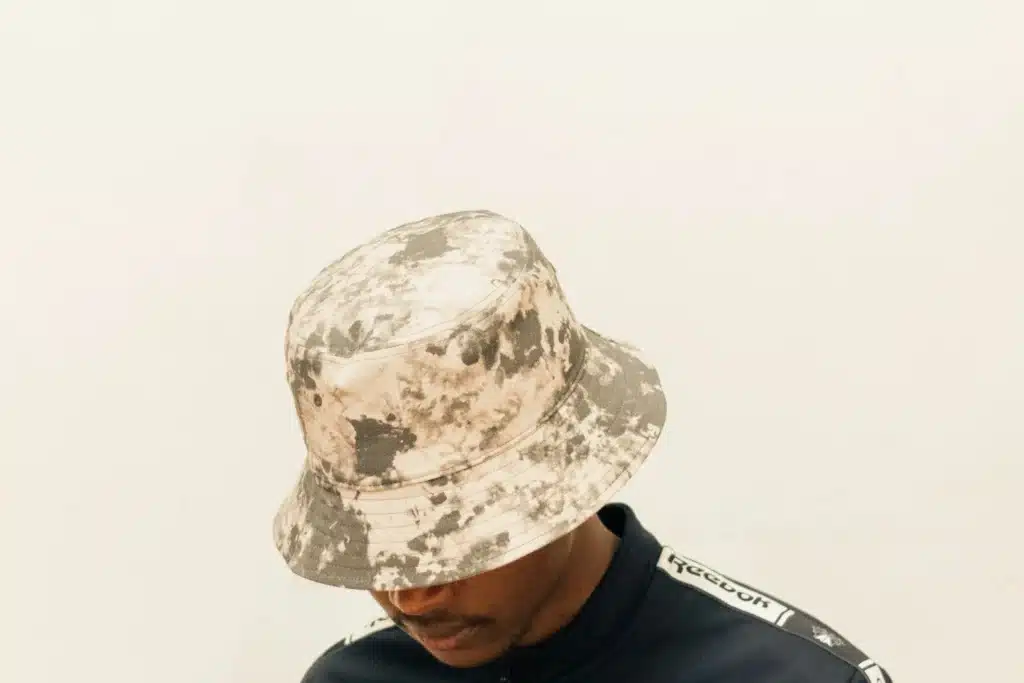
Bucket Hat Materials: Performance, Cost and Application
Material selection directly affects manufacturing costs, product durability, comfort, and final selling prices. For B2B buyers, the objective should be to select a fabric that meets the target market’s performance requirements without unnecessarily increasing material and production costs.
The following comparison outlines commonly used and higher-value material options.
| Material | Main Advantages | Limitations | Suitable Applications |
| Cotton | Breathable, soft, easy to embroider and print | Can shrink or wrinkle without appropriate treatment | Casual collections, everyday headwear |
| Poly-cotton | Balances breathability, durability, and cost | Performance depends on fiber ratio | Everyday headwear |
| Nylon | Lightweight, abrasion-resistant, quick-drying | Can feel less natural | Outdoor, travel, sports |
| Polyester | Durable, colorfast, easy to maintain | Less breathable than some natural fabrics | Everyday headwear |
| Corduroy | Distinctive ribbed texture and substantial hand feel | Can be heavier and less suitable for hot weather | Autumn and winter collections |
| Knit fabric | Flexible construction and soft hand feel | Stretch and dimensional stability require attention | Cold-weather and seasonal headwear |
Cotton: A Versatile Choice for Core Collections
Cotton is widely used in bucket hat production because it offers good breathability and a comfortable hand feel. It also works well with common decoration techniques, including flat embroidery, printed graphics, and woven labels.
Different cotton weights can be selected according to the intended construction. Lightweight cotton is suitable for summer products, while heavier cotton fabrics provide a more substantial structure.
For buyers, cotton is a practical option when developing core collections with broad market applications.
Poly-Cotton Blends: Balancing Cost and Performance
Poly-cotton fabrics combine natural and synthetic fibers to balance breathability, dimensional stability, and durability.
The exact performance depends on the fiber ratio. A higher cotton content generally provides a more natural hand feel, while a higher polyester content can improve wrinkle resistance and dimensional stability.
For wholesale programs and promotional orders, poly-cotton blends can offer a useful balance between material costs and product performance.
Nylon and Polyester: Suitable for Functional Headwear
Nylon and polyester are common choices for lightweight and outdoor bucket hats.
Nylon offers good abrasion resistance and a lightweight construction, making it suitable for packable designs. Polyester provides good durability, color retention, and relatively straightforward maintenance.
Both materials can be combined with water-resistant finishes, mesh panels, or adjustable components to develop products for outdoor and travel markets.
Corduroy and Knit Fabrics
Corduroy provides a textured surface and is particularly suitable for autumn and winter collections. Its fabric weight and pile structure should be considered when selecting embroidery placement and brim construction.
Knit fabrics offer flexibility and are more commonly associated with colder-weather headwear. They require suitable pattern development to maintain consistent dimensions.
How Material Selection Affects Product Margins
Material selection influences more than the purchase price of the fabric. It can also affect cutting efficiency, sewing time, and decoration compatibility.
For example, a standard polyester bucket hat may be suitable for high-volume promotional orders, while a water-resistant nylon version with adjustable hardware may support a higher selling price.
A practical sourcing approach is to establish three product levels:
1. Entry-level: Polyester or poly-cotton fabrics with standard construction and basic logo decoration.
2. Mid-range: Cotton or nylon fabrics with improved fabric weight, reinforced stitching, and additional functional details.
3. Premium: Specialized fabrics, custom hardware, and more complex branding.
This structure allows brands and wholesalers to develop different price points while maintaining a manageable product range.

Features and Craftsmanship: Details That Strengthen Product Competitiveness
A bucket hat’s commercial value depends not only on its fabric and silhouette but also on the quality of its construction and functional details.
For B2B buyers, these specifications should be clearly defined before approving a production sample.
Water Resistance and UV Protection
Water-resistant fabrics and UV-protective materials can expand a bucket hat’s applications in outdoor and travel markets.
Buyers should specify whether they require a basic water-repellent finish or a more durable water-resistant treatment.
UV protection claims should be supported by appropriate material or finished-product testing. A wide brim alone should not be treated as proof of a particular UPF rating.
These features can help brands develop products for hiking, fishing, camping, and other outdoor applications.
Mesh Panels for Improved Breathability
Mesh panels can be incorporated into selected areas of a bucket hat to improve ventilation.
This construction is useful for products designed for warm-weather activities or extended outdoor use. Buyers should consider mesh density, placement, durability, and compatibility with the main fabric.
For example, mesh side panels can be incorporated into a functional bucket hat while maintaining a structured brim and customizable front branding area.
Adjustable Fit and Functional Components
Adjustable components help accommodate different head sizes and improve product usability.
Common options include:
1. Adjustable chin cords
2. Elastic drawstrings
3. Cord locks and toggles
4. Metal or plastic buckles
Buyers should specify the adjustment range, component material, and attachment method. Reinforced stitching around fastening points is particularly important because these areas are subject to repeated tension.
Brim Construction and Shape Retention
The brim plays an important role in a bucket hat’s appearance and functional performance.
Depending on the design, manufacturers can use different fabric weights, internal support materials, and stitching arrangements to achieve the required shape.
Multiple rows of topstitching can improve construction stability and create a consistent brim finish. Reinforced stitching also helps reduce deformation during handling and regular use.
For packable products, the brim should remain flexible enough to fold without compromising the intended structure.
Logo Decoration and Branding
Logo execution is a major differentiation factor for private-label.
Common decoration methods include:
1. Flat embroidery: Suitable for text, logos, and detailed graphics.
2. 3D embroidery: Creates a raised effect, although its suitability depends on fabric thickness and the design.
3. Rubber patches: Provide a dimensional branding element for outdoor and casual products.
4. Woven labels: Suitable for small logos and brand identification.
5. Screen printing: Suitable for larger graphics and selected fabric types.
6. Printed labels: Can be used for internal branding and product information.
The appropriate method depends on logo complexity, fabric characteristics, order quantity, and target product cost.
Quality Control and Construction Consistency
For bulk orders, quality consistency is as important as the quality of the approved sample.
A professional manufacturing process should include checks covering:
1. Fabric composition, weight, and color
2. Crown dimensions and brim measurements
3. Stitch density and seam finishing
4. Logo position and decoration quality
5. Hardware attachment and adjustment performance
6. Finished-product appearance and packaging
Production specifications and approved samples should serve as the reference for bulk manufacturing. This helps reduce differences between samples, initial production runs, and repeat orders.
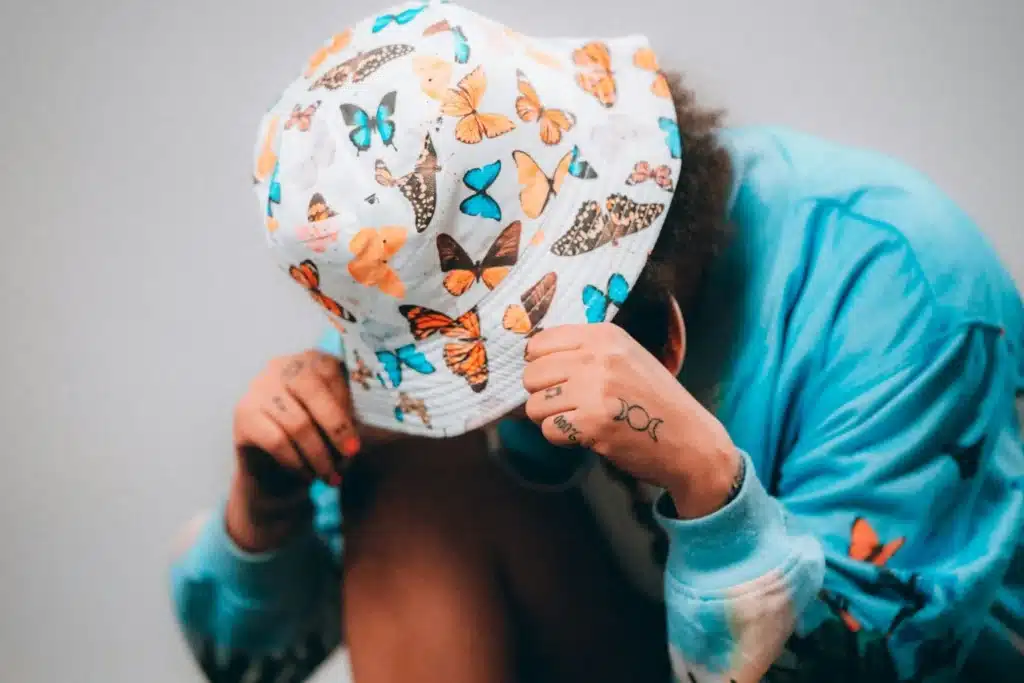
Customization and Supply Chain: From Product Development to Bulk Production
For brands and wholesale buyers, working with a manufacturer that can coordinate product development, material sourcing, decoration, and bulk production helps simplify the sourcing process.
As a custom bucket hat manufacturer, we support product development across the main stages of customization.
Shape and Construction Customization
Buyers can specify the overall silhouette, crown depth, brim width, brim shape, and structural details.
Whether the requirement is a wide-brim bucket hat, a compact narrow-brim version, or a packable outdoor design, the pattern can be developed according to the intended product specifications.
Existing designs can also be used as references for developing new versions.
Fabric, Color and Component Selection
We support different fabric options, including cotton, polyester, nylon, poly-cotton blends, corduroy, etc.
Buyers can provide Pantone references or physical fabric samples to communicate color requirements. Customization can also extend to lining, mesh panels, drawstrings, buckles, eyelets, and other components.
Logo and Private-Label Customization
Our customization capabilities cover different branding methods, including embroidery, printing, rubber patches, etc.
Additional private-label details can include:
1. Custom woven brand labels
2. Internal care labels
3. Hang tags
4. Custom logo placement
These options allow clients to develop products that are consistent with their existing brand identity.
Sampling and Minimum Order Quantities
Sampling is an important step in confirming product specifications before bulk production.
A typical development process includes:
Step 1: Design and quotation
Buyers provide reference images, technical specifications, estimated quantities, and customization requirements. The manufacturer evaluates the design and provides a quotation.
Step 2: Material and design confirmation
Fabric, colors, construction details, logo methods, and accessories are confirmed before sample development.
Step 3: Sample production and approval
A physical sample is produced for evaluation. Buyers can check dimensions, material performance, logo execution, and overall construction before approving bulk production.
Step 4: Bulk production
Once the sample and production specifications are approved, manufacturing begins according to the confirmed order requirements.
We support sample development to help clients evaluate new designs before moving forward with bulk production. Our standard minimum order quantity (MOQ) is 200 pieces per design and color. Sample costs and production lead times depend on the fabric, construction complexity, order quantity, and customization requirements, and will be confirmed during quotation.
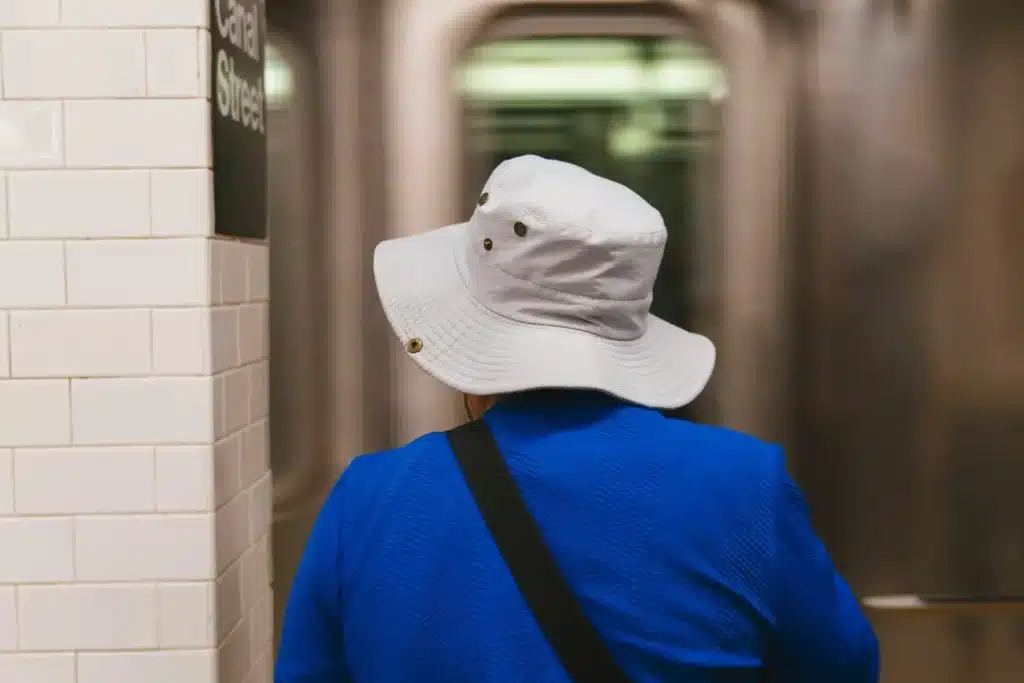
Conclusion
Selecting the right bucket hat manufacturer involves more than comparing unit prices. Buyers need to evaluate product development capabilities, fabric sourcing, construction quality, customization flexibility, and the manufacturer’s ability to deliver consistent bulk orders.
A practical starting point is to define the target market, select one or two suitable silhouettes, establish a target material and cost range, and prepare the required logo and construction specifications. A physical sample can then be used to verify the product before bulk production.
As a professional custom hat supplier, we work with brands, wholesalers, retailers, and corporate buyers to develop bucket hats based on their product requirements and commercial objectives. From fabric selection and sample development to private-label customization and bulk production, we provide manufacturing support throughout the sourcing process.
Looking for a reliable supplier for your next bucket hat collection? Contact us with your design references, material preferences, estimated order quantity, and customization requirements. Our team can help assess the specifications, recommend suitable production options, and provide a quotation for your project.
FAQ
A: Popular wholesale bucket hat styles include wide-brim bucket hats, narrow-brim bucket hats, packable bucket hats, and adjustable bucket hats. Each style serves different market needs. For example, wide-brim designs are suitable for everyday and outdoor collections, while lightweight packable styles are commonly used for travel and outdoor products.
A: Common materials include cotton, polyester, nylon, and poly-cotton blends. Cotton offers good breathability and a soft hand feel, while polyester provides durability and good color retention. Nylon is a practical choice for lightweight outdoor designs. Corduroy is also available for brands developing specialized product collections.
A: Not all bucket hats are waterproof. Their water resistance depends on the fabric. Nylon fabrics can be treated to help repel light rain and moisture. For products requiring higher levels of water protection, buyers should specify their performance requirements and request appropriate material testing.
A: Yes. We support comprehensive customization of bucket hats, including crown depth, brim width, overall shape, fabric, and color. Buyers can also customize functional details such as mesh panels, adjustable drawstrings, and metal buckles. Pantone color references or physical samples can be provided to help achieve the required specifications.
A: We offer several logo decoration options, including flat embroidery, 3D embroidery, rubber patches, woven labels, and screen printing. The most suitable technique depends on the logo design, fabric characteristics, desired appearance, and target budget.
A: Our standard MOQ is 200 pieces per design and color.
A: Sample development typically takes around 7–9 working days. Bulk production generally takes approximately 25–35 working days for orders below 5,000 pieces and 35–45 working days for orders of 5,000 pieces or more. The final production schedule will be confirmed based on material availability, order quantity, and customization requirements.
A: Yes. We manufacture custom bucket hats for apparel brands, wholesalers, retailers, and corporate buyers. Our services cover fabric sourcing, logo customization, private labeling, and bulk production. Buyers can customize product specifications and branding details to develop bucket hats that meet their market and business requirements.


