
A trapper hat is a practical choice for winter wear when ear coverage and cold-weather protection are priorities, while a bomber hat offers an aviation-inspired look with a rounded crown and earflaps. Neither style is automatically warmer than the other. The better option depends on insulation, materials, fit, weather conditions, and personal style.
Both hats are popular options for cold-weather collections, but their designs can overlap. Understanding their differences helps consumers choose the right winter hat and helps apparel brands select suitable headwear for their target markets.
Wat is een trappershoed?
A trapper hat is a winter hat designed to provide warmth and coverage for the head and ears. Its defining feature is a pair of earflaps that can usually be worn down for protection or secured above the crown when additional coverage is unnecessary.
Traditional trapper hats were designed for cold outdoor environments. Modern versions combine practical construction with contemporary styling, making them suitable for outdoor activities, casual winter wear, and streetwear.
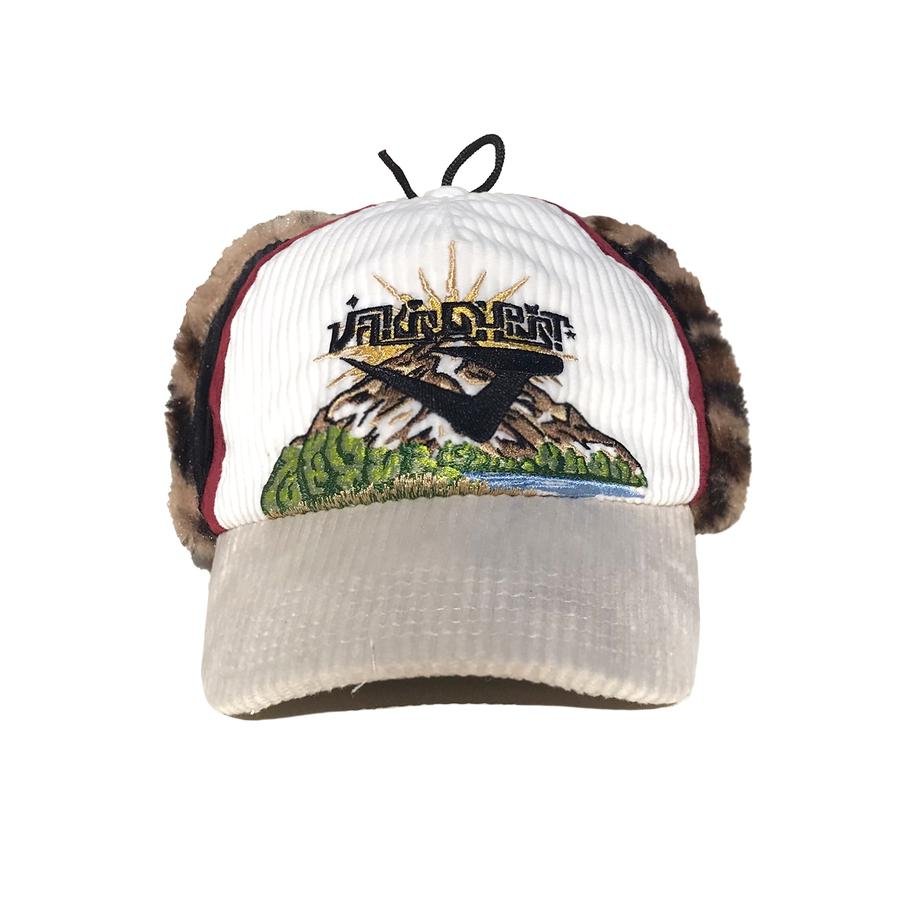
Common features of a trapper hat include:
- Earflaps: Cover the ears and sides of the head, with coverage depending on the design.
- Warme voering: Fleece, faux fur, sherpa, or other insulating materials help retain heat.
- Verstelbare sluiting: Some styles include chin straps, buckles, or ties to keep the flaps in place.
- Versatile outer materials: Nylon, polyester, wool blends, cotton, and other fabrics support different functional and aesthetic requirements.
- Distinctive silhouette: Many designs feature a structured crown and a rugged, outdoor-inspired appearance.
Trapper hats are particularly useful for winter walks, travel, outdoor work, and casual outfits in cold weather. Their flexible earflap construction also makes them an adaptable option for seasonal headwear collections.
What Is a Bomber Hat?
A bomber hat is a winter hat inspired by traditional aviation headwear. Its design is associated with the insulated flying caps worn by pilots in cold conditions, and modern versions often retain the rounded crown, earflaps, and vintage appearance of these earlier styles.
Today, bomber hats range from classic leather-inspired designs to contemporary winter accessories made with synthetic fabrics and soft linings.
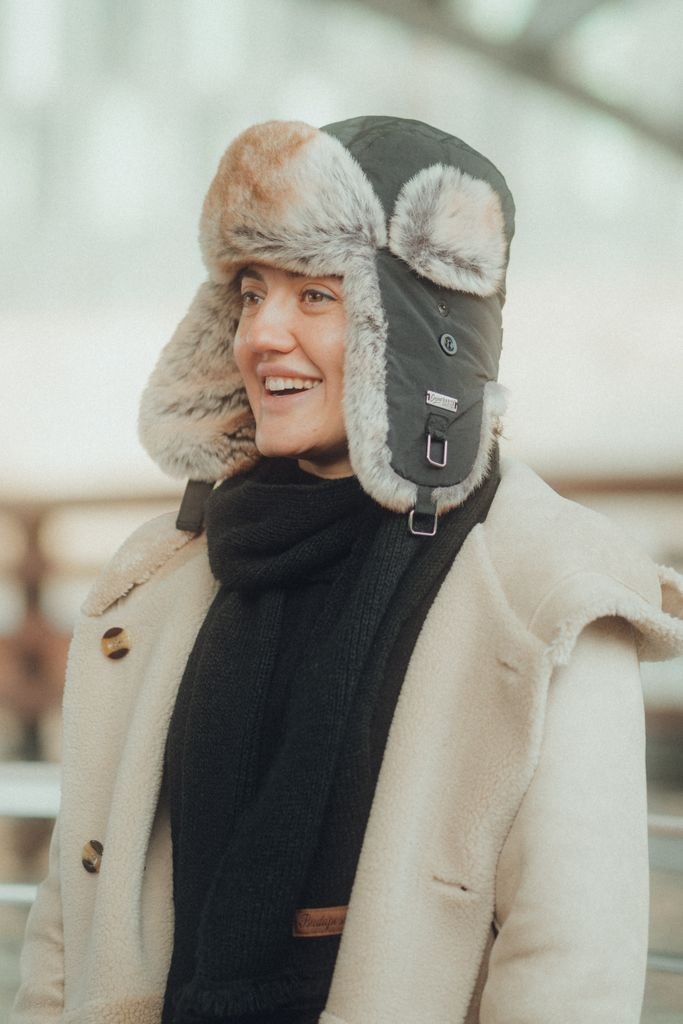
Common features include:
- Afgeronde kroon: Creates a recognizable aviation-inspired silhouette.
- Earflaps: Help protect the ears from cold air and may be secured beneath the chin.
- Insulated construction: Depending on the model, the hat may use fleece, faux fur, sherpa, or other insulating materials.
- Distinctive outer fabrics: Leather, nylon, polyester, and wool blends are common options.
- Vintage styling: Many bomber hats pair well with flight jackets, padded coats, and casual winter clothing.
Bomber hats are suitable for everyday winter wear, travel, and fashion-focused outfits. Their appeal comes from the combination of practical coverage and a recognizable retro aesthetic.
Although bomber and trapper hats can look similar, the names do not always describe completely separate constructions. Some products may reasonably fit both categories, so examining the actual shape and materials is more useful than relying on the product name alone.
Trapper Hat vs. Bomber Hat: Key Differences
Trapper hats and bomber hats share several features, particularly earflaps and insulating linings. Their main differences are generally associated with silhouette, styling, and the way each design is presented.
| Functie | Vallenzettershoed | Bomber Hat |
|---|---|---|
| Ontwerp | Traditional winter hat with prominent earflaps | Aviation-inspired winter hat with a rounded crown |
| Ear Coverage | Often features broad earflaps for cold-weather coverage | Ear coverage varies by design and flap construction |
| Warmte | Depends on insulation, lining, fit, and coverage | Depends on insulation, lining, fit, and coverage |
| Algemene materialen | Fleece, wool, nylon, polyester, faux fur, and sherpa | Leather, nylon, polyester, wool blends, and faux fur |
| Overall Style | Rugged, functional, outdoor, and streetwear | Vintage aviation, casual, and urban fashion |
| Pas | Can range from relaxed to structured | Often features a rounded, structured appearance |
| Typical Uses | Winter outdoor activities, travel, and everyday wear | Casual winter wear, commuting, and aviation-inspired outfits |
The most important distinction is that a trapper hat is commonly associated with functional winter coverage, while a bomber hat emphasizes an aviation-inspired design. However, these are general styling tendencies rather than strict technical definitions.
When comparing two specific hats, check their earflap dimensions, lining thickness, fastening system, and outer fabric. These details provide a more reliable basis for evaluating performance and comfort.
Which Is Warmer: A Trapper Hat or a Bomber Hat?
Neither a trapper hat nor a bomber hat is inherently warmer. The level of warmth depends on the complete construction, including insulation, lining, outer fabric, fit, and the amount of skin protected from cold air.
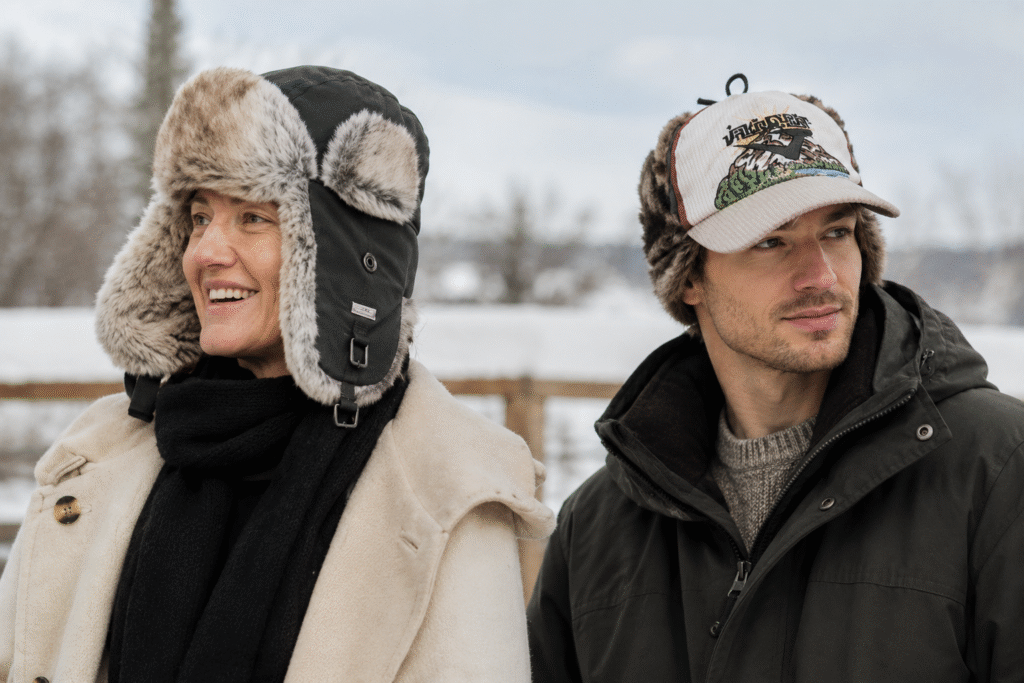
A trapper hat with long, insulated earflaps may offer better coverage than a bomber hat with shorter flaps. However, a well-insulated bomber hat with a close fit can provide comparable warmth.
Several factors determine how well a winter hat retains heat.
1. Ear and Face Coverage
Earflaps help reduce exposure to cold air around the ears and sides of the head. Their length, width, and ability to stay in position affect how much protection the hat provides.
If you spend extended periods outdoors in cold or windy conditions, prioritize a design that covers your ears securely. Some models also extend farther down the sides of the face, offering additional coverage.
2. Insulation and Lining
The lining is an important factor in comfort and warmth. Fleece offers lightweight insulation and a soft feel, while faux fur and sherpa provide a thicker, plush interior. Wool can also contribute natural insulation.
The outer shell and lining should work together. A warm lining may retain heat effectively, but it cannot compensate for every weakness in the outer fabric or an excessively loose fit.
3. Wind and Moisture Protection
Wind can increase heat loss, especially when the hat leaves gaps around the ears or forehead. Nylon and polyester outer shells can be useful in outdoor-oriented designs, depending on their weave, coating, and construction.
Water resistance also matters in snowy or wet conditions. However, a fabric should not be assumed to be waterproof or windproof simply because it is made from nylon or polyester.
4. Fit and Construction
A hat that fits properly can reduce gaps through which cold air enters. At the same time, it should not be so tight that it becomes uncomfortable during extended wear.
The earflaps, chin strap, crown shape, and lining thickness all affect the final fit. Consider these elements together rather than judging warmth by appearance alone.
The verdict: Choose the hat with better insulation, effective ear coverage, and a suitable outer shell for your expected weather. A trapper hat may be preferable when its design provides broader coverage, but a well-constructed bomber hat can be equally suitable for many winter conditions.
Trapper Hat vs. Bomber Hat: Which Is Better for Different Uses?
The right winter hat depends on how you plan to wear it. Weather protection, comfort, and styling preferences can make either option the better choice.
For Extreme Cold and Outdoor Activities
A trapper hat with well-insulated earflaps is a strong option for people who spend considerable time outdoors in cold conditions. Its coverage can help protect the ears and sides of the head, particularly when the flaps can be secured beneath the chin.
However, not every trapper hat is designed for severe weather. Check the insulation, outer-shell performance, and coverage before using it in demanding conditions.
A bomber hat can also work well outdoors when it has sufficient insulation, a protective outer fabric, and secure ear coverage.
For Everyday Winter Wear
Both styles can work for everyday winter activities, including commuting, shopping, and walking.
A trapper hat suits people who prefer a traditional winter look and practical ear coverage. A bomber hat may appeal to those who prefer a rounded silhouette and a vintage-inspired appearance.
For daily use, consider how the hat fits with your coat, whether the lining feels comfortable, and how easily you can adjust the earflaps as temperatures change.
For Streetwear and Fashion
Trapper hats have a recognizable utility-inspired appearance that works well with oversized jackets, parkas, workwear, and casual streetwear.
Bomber hats complement flight jackets, puffer coats, denim, and other pieces associated with vintage or urban fashion.
For apparel brands, the choice can influence the overall direction of a winter collection. Trapper hats can support rugged, outdoor-inspired designs, while bomber hats can reinforce a retro aviation aesthetic. Both can be adapted through color, fabric, lining, and decorative details.
For Travel and Commuting
Travelers should consider weight, packability, comfort, and compatibility with a hood or high collar.
A compact bomber hat may be easier to coordinate with everyday winter clothing, depending on its construction. A trapper hat with foldable earflaps can provide flexibility when temperatures fluctuate.
Neither style is universally more convenient. Check whether the hat can be stored without damaging its shape and whether its fastening system is easy to adjust while wearing gloves.
How to Choose Between a Trapper Hat and a Bomber Hat
If you are unsure which winter hat to choose, evaluate the following factors before making a decision.
1. Consider Your Climate
For cold and windy environments, prioritize secure ear coverage, suitable insulation, and an outer shell that matches the expected conditions.
For milder winters or mostly indoor-to-outdoor use, a lighter design may provide sufficient warmth without unnecessary bulk.
2. Compare the Materials
Different materials serve different purposes.
- Fleece: Soft, lightweight, and suitable for linings and everyday winter wear.
- Wol: Offers natural insulation and a classic winter appearance.
- Nylon: Useful for lightweight outer shells that require wind and moisture resistance.
- Polyester: Versatile and suitable for outer fabrics, linings, and synthetic insulation.
- Faux fur and sherpa: Provide a plush texture and additional warmth when used as linings.
The best combination depends on the intended use. A layered construction may provide a better balance of comfort, insulation, and weather protection than relying on a single material.
3. Check Earflap Coverage
Look at the length and width of the earflaps and how they sit when worn down. If you expect to use the hat in windy conditions, check whether the flaps can be secured comfortably.
The crown should also fit properly without creating excessive pressure or leaving noticeable gaps.
4. Match the Hat to Your Style
Choose a trapper hat if you prefer a functional, rugged winter appearance. Choose a bomber hat if you favor aviation-inspired styling and a rounded silhouette.
If you are buying for a clothing collection, consider how the hat complements your existing outerwear, color palette, and target customer preferences.
5. Consider Care and Durability
Review the care instructions before purchasing. Some materials require gentle cleaning, while others are easier to maintain.
For outdoor use, examine the stitching, lining attachment, fastening hardware, and outer fabric. These construction details can affect the hat’s durability over repeated wear.
Trapper Hats for Apparel Brands and Wholesale Buyers
For apparel brands, streetwear labels, outdoor clothing companies, and promotional product businesses, trapper hats offer an opportunity to expand a winter headwear collection with a recognizable design and practical cold-weather features.
When sourcing trapper hats for a collection, buyers should evaluate more than the overall appearance. Material selection, lining construction, sizing, color consistency, and decoration options all influence the finished product.
What Should B2B Buyers Consider?
Materials and construction: Select outer fabrics and linings according to the intended market. A lightweight nylon shell with fleece lining may suit a functional outdoor collection, while wool blends or textured fabrics may better support a fashion-focused range.
Design and branding: Consider how color combinations, embroidered logos, patches, and other decorative elements fit the brand’s identity. The placement and size of branding should work with the hat’s crown and earflap construction.
Fit and sizing: Confirm measurements, crown shape, and earflap dimensions. For bulk orders, review samples before approving the final specifications.
Order planning: Establish quantities, color options, production requirements, quality standards, and delivery schedules before placing a wholesale order.
Brands looking for product options can explore Trapperhoed Groothandel to review available styles and design directions.
For projects that require brand-specific materials, colors, construction, or decoration, Aangepaste tapperhoeden is another relevant resource for exploring customization options.
SUMKCAPS provides headwear design, production, wholesale, and customization services for business buyers. Evaluating the intended use and product specifications early in the sourcing process can help brands develop winter headwear that aligns with their market positioning.
Trapper Hat vs. Bomber Hat: Which One Should You Choose?
A trapper hat is a good choice if you prioritize practical ear coverage, a traditional winter silhouette, and an outdoor-inspired look. A bomber hat is worth considering if you prefer aviation-inspired styling and a rounded, structured appearance.
If warmth is your main concern, compare the actual materials, insulation, earflap coverage, fit, and weather resistance instead of choosing based on the hat’s name alone.
For consumers, the best option is the one that suits their climate, comfort needs, and wardrobe. For apparel brands and wholesale buyers, the decision should also reflect the target audience, product positioning, and construction requirements.
Both styles can be effective winter headwear options when their design and materials match the intended use.
FAQ
Not exactly, although the terms can overlap. Trapper hats are commonly associated with prominent earflaps and practical winter coverage, while bomber hats emphasize aviation-inspired styling. Some designs share the same construction features, so compare the actual shape and materials.
Neither style is automatically warmer. Insulation thickness, lining material, outer-shell performance, earflap coverage, and fit determine how effectively a hat retains heat. Compare these features when choosing a winter hat for cold weather.
Yes, provided its construction suits the conditions. Check the outer fabric’s water resistance, the insulation, and how securely the hat covers the ears. A fashion-oriented bomber hat may not offer the same protection as a model designed specifically for wet or snowy weather.
Yes. Trapper hats remain an option for winter outfits, outdoor-inspired clothing, and contemporary streetwear. Modern variations use different fabrics, colors, linings, and decorative details to suit a range of personal styles and apparel collections.
These styles have overlapping features, but their traditional design associations and construction details can differ. Earflap shape, crown structure, front visor, fastening method, and materials are useful comparison points. Read our guide to Trapper vs. Ushanka vs. Aviator vs. Bomber Hats for a broader comparison of all four winter hat styles.


