
In today’s evolving headwear market, consumers are no longer satisfied with basic winter accessories. A beanie is expected to deliver both style and function, and this is where satin-lined beanies stand out. As awareness around hair care grows—especially among people with curly, textured, or fragile hair—products that reduce friction and protect moisture are gaining massive popularity. A satin-lined beanie answers this need by combining warmth with hair protection, making it a preferred choice for everyday wear. For brands and retailers, this trend also represents an opportunity to offer high-value, functional products that resonate with modern consumers seeking comfort, wellness, and premium design.
What Is a Satin-Lined Beanie?
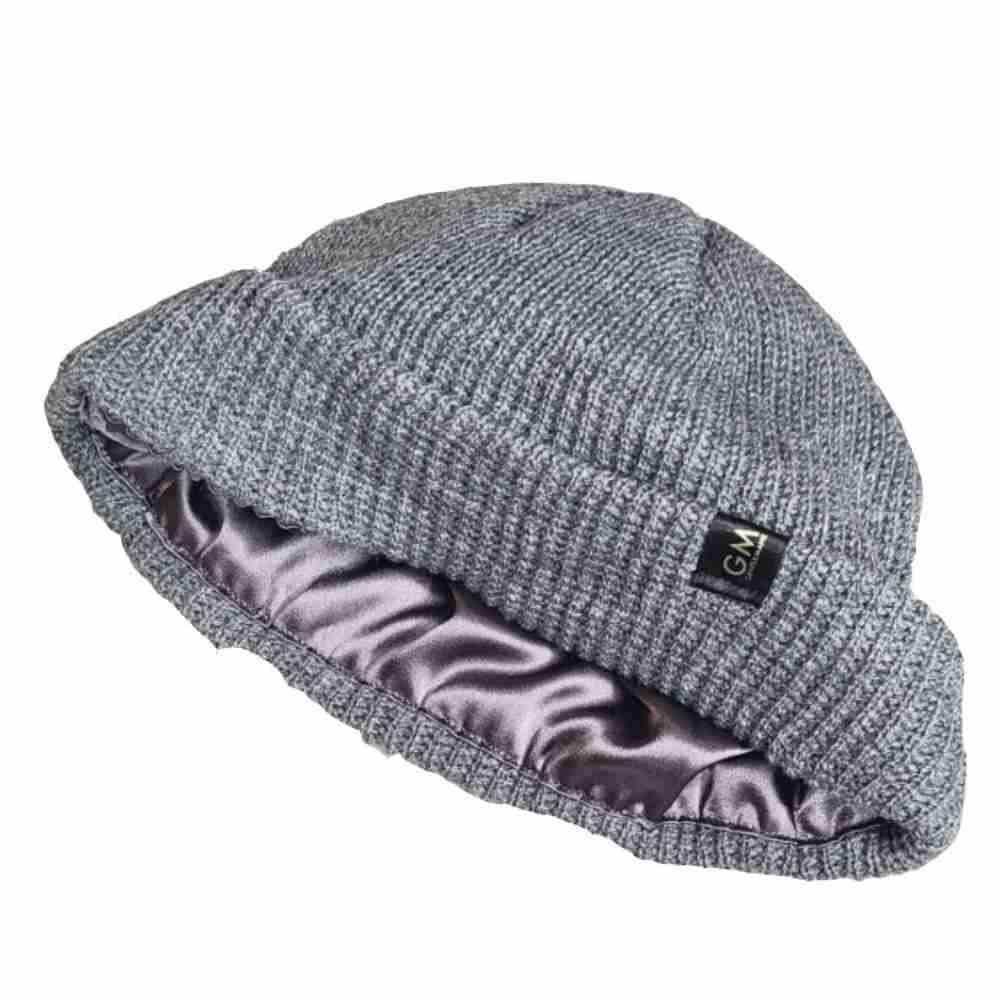
A satin-lined beanie is a knit hat that features a smooth satin fabric sewn into its interior. While the exterior is typically made from materials like acrylic, wool, or cotton blends for insulation and durability, the inner satin layer is designed to minimize friction against the hair and scalp. Unlike traditional beanies that can cause dryness or breakage, satin provides a soft, low-friction surface. It’s important to distinguish satin from silk—while silk is a natural fiber known for luxury, satin refers to a weave structure and is often made from synthetic fibers like polyester, making it more affordable and durable for mass production. This balance of performance and cost makes satin-lined beanies ideal for both personal use and commercial customization.
Benefits of Satin-Lined Beanies
1. Hair Protection and Reduced Friction
One of the most important benefits of satin-lined beanies is their ability to protect hair from damage. Traditional knit materials like wool or acrylic can create friction against the hair shaft, leading to frizz, tangling, and breakage. Satin, with its smooth surface, allows hair to glide effortlessly, minimizing mechanical stress. This makes satin-lined beanies especially valuable for people with curly, textured, or fragile hair who are more prone to dryness and damage.
2. Moisture Retention for Healthier Hair
Unlike absorbent fabrics such as cotton, satin does not draw moisture away from the hair. This helps maintain the hair’s natural oils and hydration levels, which are essential for preventing dryness and brittleness. For individuals who invest in hair care routines or use conditioning products, a satin-lined beanie helps preserve those benefits throughout the day, making it a practical extension of hair care rather than just a fashion accessory.
3. Enhanced Comfort and Skin-Friendly Feel
Comfort is another key advantage that sets satin-lined beanies apart. The soft, silky texture of satin feels gentle against the scalp, reducing irritation that can sometimes occur with rougher fabrics. This is particularly beneficial for long-term wear, whether during outdoor activities, commuting, or casual daily use. The smooth lining also prevents itchiness often associated with wool-based hats, improving the overall wearing experience.
4. Temperature Balance and Wearability
Satin-lined beanies provide a balanced wearing experience by combining warmth from the outer knit layer with a breathable inner surface. While the outer material retains heat, the satin lining helps regulate airflow and reduces the feeling of overheating. This makes the beanie suitable not only for cold weather but also for transitional seasons, increasing its versatility and usability across different climates.
5.Versatility Across Different Hair Types and Lifestyles
Satin-lined beanies are not limited to a specific audience—they are suitable for a wide range of users. Whether someone has straight, wavy, curly, or coily hair, the reduced friction and moisture retention benefits apply universally. Additionally, they are ideal for various lifestyles, from athletes and outdoor enthusiasts to urban commuters and fashion-conscious consumers, making them a highly adaptable product in both retail and wholesale markets.
Materials You Need to Make a Satin-Lined Beanie
Creating a satin-lined beanie requires a thoughtful selection of materials to ensure both performance and durability. The outer layer can be a pre-made knit beanie or a custom-knitted shell, typically using acrylic for affordability or wool for warmth. The lining material is equally critical—polyester satin is commonly recommended due to its balance of softness, durability, and cost-effectiveness.
In addition to fabrics, basic sewing tools are essential. These include a needle and thread or a sewing machine for efficiency, fabric scissors for clean cuts, measuring tape for accuracy, and pins or clips to secure the fabric during assembly. Choosing high-quality materials at this stage will significantly impact the final product’s comfort, longevity, and overall appearance.

Step-by-Step: How to Make a Satin-Lined Beanie
Step 1: Measure the Interior of the Beanie
Start by turning the beanie inside out and measuring the inner circumference and depth. Accurate measurements are essential to ensure the satin lining fits smoothly without bunching or pulling. Use a flexible measuring tape and note both the width and height. If the beanie is highly stretchable, measure it in a relaxed state to avoid making the lining too tight.
Step 2: Prepare and Cut the Satin Fabric
Lay your satin fabric flat on a clean surface and mark the dimensions based on your measurements. Typically, you will cut two curved panels (similar to a dome shape) that will form the inner cap. Remember to add a seam allowance of about 0.5–1 cm around the edges to allow for stitching. Precision at this stage ensures a clean, professional-looking final result.
Step 3: Sew the Satin Lining Pieces Together
Place the two satin pieces together with the shiny sides facing inward, then sew along the curved edges to form a cap shape. You can use a sewing machine for faster and more consistent stitching, or hand sew for smaller projects. Make sure your stitches are even and not too tight, as satin fabric can be delicate and prone to puckering if handled improperly.
Step 4: Attach the Satin Lining to the Beanie
Turn the satin lining right side out and insert it into the beanie, aligning the edges carefully. Fold the raw edge of the satin inward slightly for a cleaner finish, then pin it along the inner brim of the beanie. Sew the lining to the beanie using small, secure stitches, ensuring the thread blends with the fabric for a neat appearance. This step is crucial for keeping the lining in place during wear.
Step 5: Adjust the Fit and Smooth the Lining
Once attached, gently adjust the satin lining inside the beanie to eliminate wrinkles or folds. Ensure that the lining sits evenly against the interior surface without shifting. A well-fitted lining should feel smooth and comfortable against the scalp, enhancing both functionality and user experience.
Step 6: Final Inspection and Finishing Touches
Inspect the entire beanie for loose threads, uneven stitching, or misalignment. Trim any excess threads and make minor adjustments if needed. If desired, you can lightly steam the satin lining to remove creases and give it a polished look. At this stage, your satin-lined beanie should appear clean, functional, and ready for use or customization.

Sumkcaps 2969 Custom Satin Lined Winter Ski Beanie Hat
Sumkcaps 2969 Custom Satin Lined Winter Ski Beanie Hat Is a Beautiful Outdoor Ski Hat. We Are Dedicated To Manufacturing Premium Custom Caps, Beanies And Bucket Hats. Patches Available. Many Custom Options. Expert Service. Bulk Discount.
DIY vs Custom Manufacturing: Which Is Better?
For individuals, DIY satin-lined beanies offer a cost-effective and creative solution. They allow for personalization and are ideal for small-scale use or hobby projects. However, when it comes to scaling production or building a brand, custom manufacturing provides significant advantages.
Professional manufacturers like sumkcaps, a leading beanie manufacturer in China, offer consistent quality, advanced production techniques, and full customization services. From material sourcing to logo integration and packaging, manufacturers can streamline the entire process while maintaining high standards. For businesses aiming to enter the fashion or promotional market, partnering with an experienced manufacturer ensures efficiency, scalability, and a competitive edge.
Conclusion
Satin-lined beanies represent the perfect fusion of comfort, functionality, and modern style. Whether you are crafting one at home or developing a product line for your brand, understanding the materials, techniques, and market demand is essential. As consumers increasingly prioritize hair care and comfort in their purchasing decisions, satin-lined beanies are positioned as a high-demand product category.
For businesses looking to capitalize on this trend, working with a reliable manufacturer like sumkcaps can simplify the journey from concept to market-ready product. With the right approach, a simple beanie can be transformed into a premium accessory that delivers both performance and brand value.
FAQ
For DIY projects, it typically takes 1–2 hours depending on skill level. Bulk production timelines vary based on order size and complexity.
Both reduce friction, but satin is more durable and affordable, making it ideal for everyday use and large-scale production.
Yes, most beanies can be modified, but stretchable knit hats work best for a comfortable fit.
Absolutely. They are especially beneficial for curly, dry, or fragile hair but can improve comfort for all users.
Costs depend on materials, design complexity, and quantity, but bulk manufacturing significantly reduces per-unit pricing.


