跳到内容
跳到内容 
When choosing a baseball cap manufacturer or supplier for your brand, price should not be the only factor. A reliable partner should understand cap structure, fabric selection, logo customization, sample approval, bulk production and quality control. For apparel brands, teams, retailers and promotional buyers, the right supplier can help turn a cap idea into a stable custom product.
This guide explains what buyers should check before working with a baseball cap manufacturer, including cap styles, logo options, production ability, quality control and export support.
What does a baseball cap manufacturer do?
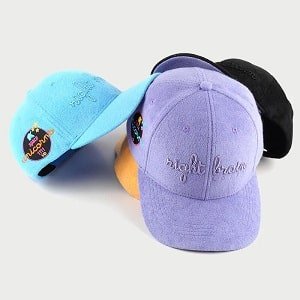
A baseball cap manufacturer makes caps from raw materials to finished products. The process usually includes fabric cutting, panel sewing, visor shaping, logo decoration, inspection, and packing.
A typical baseball cap has several key parts, including the crown, visor, sweatband, eyelets, back closure, and logo area. For overseas orders, many textile caps are classified under HS heading 6505, which covers hats and other headgear made from textile materials.
Why should brands avoid choosing only by the lowest price?
A very low quote may not include the same fabric, logo process, packing, or inspection standard. In custom baseball cap production, small differences in stitching, visor shape, thread color, or patch material can change the final look of the product.
For example, one cap may look similar in photos, but the front panel may be softer, the embroidery may be less clean, or the closure may feel cheaper. This is why buyers should compare samples, not just unit prices.
What Makes a Reliable Baseball Cap Supplier?
A reliable baseball cap supplier should do more than provide a list of cap styles. For brand buyers, the supplier should understand cap structure, fabric selection, logo methods, sampling, bulk production and quality control. These details affect how the final baseball caps look, fit and perform in the market.
When comparing baseball cap suppliers, buyers should check whether the supplier can support custom development, color matching, sample approval, logo placement and repeat production. A low price may look attractive at first, but stable quality and clear communication are usually more important for long-term brand orders.
For custom projects, a good supplier should also help buyers choose the right cap style based on the logo, target customer and sales channel. For example, a fashion brand may prefer a 5-panel cap with a clean front panel, while a team or corporate buyer may choose a classic 6-panel baseball cap.
You can also explore more wholesale styles from our baseball cap supplier collection.
What MOQ should you ask about?
MOQ is important, but it should not be checked alone. A practical MOQ depends on the cap style, fabric, logo method, color quantity, and packaging request.
When talking with a baseball cap supplier, ask whether the MOQ is based on one design, one color, or the total order. These rules can make a big difference when you are testing a new collection.
Best Baseball Cap Manufacturers: What Buyers Should Compare
The best baseball cap manufacturers are not always the cheapest options. For B2B buyers, a better manufacturer should offer stable production, clear customization options, sample support and reliable quality inspection before shipment.
Before choosing a baseball cap manufacturer, buyers should compare several key points: available cap styles, fabric choices, logo techniques, sample time, bulk production time, MOQ, packing options and export experience. These factors can affect the final cost, delivery schedule and customer satisfaction.
A strong manufacturer should also be able to explain which logo method fits each cap structure. Flat embroidery, 3D puff embroidery, woven patches, PVC patches, leather patches and heat transfer logos can create different effects. The right choice depends on the fabric, front panel shape and brand style.
What customization options should a good supplier offer?
A good custom baseball cap manufacturer should offer different choices for fabric, structure, logo, closure, label, and packaging. Common logo options include embroidery, PVC patch, woven patch, leather patch, printing, and heat transfer.
For most apparel brands, the front logo is the most important part because customers notice it first. Before sampling, confirm the logo size, position, color, and material with the supplier.
For buyers planning a full brand order, our custom baseball caps service supports fabric selection, logo decoration, cap structure, closure options and private label details.
How long does custom baseball cap production take?
Custom baseball cap orders usually include sample development and bulk production. Sampling often takes 7-10 working days, while bulk production depends on the order quantity, fabric availability, logo process, and packing details.
If your brand has a fixed launch date, do not plan the schedule too tightly. It is better to leave extra time for sample changes, shipping, customs, or packaging adjustments.
What cap styles should a manufacturer support?
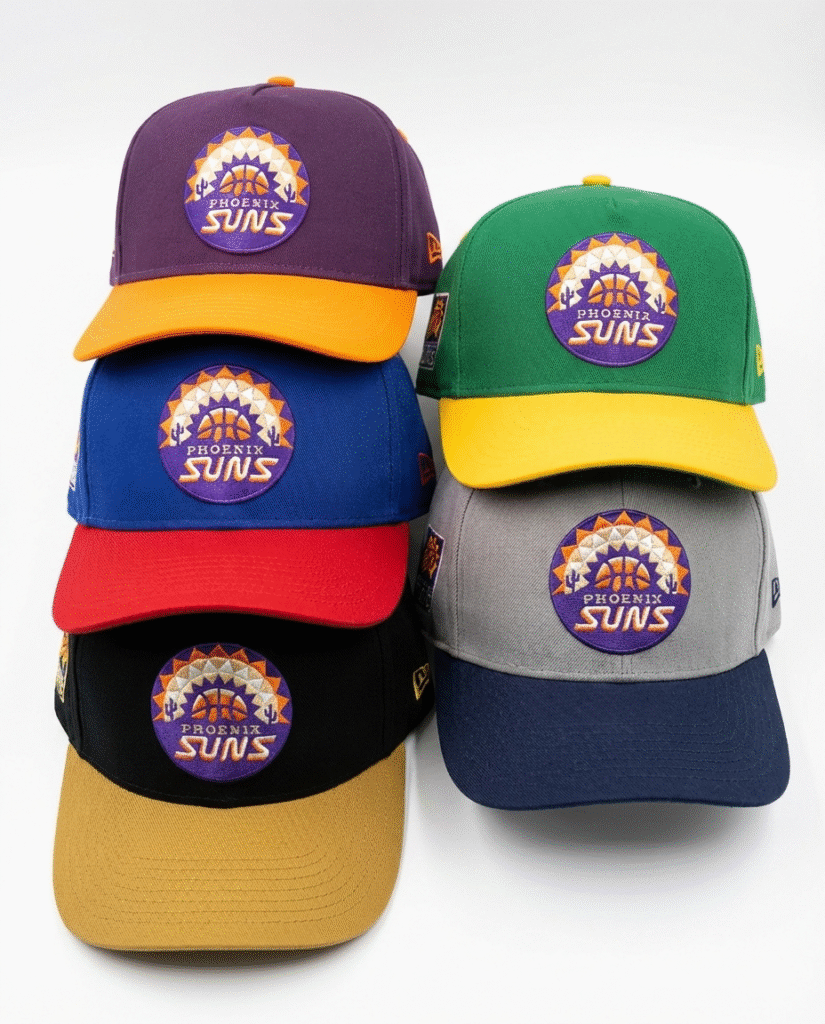
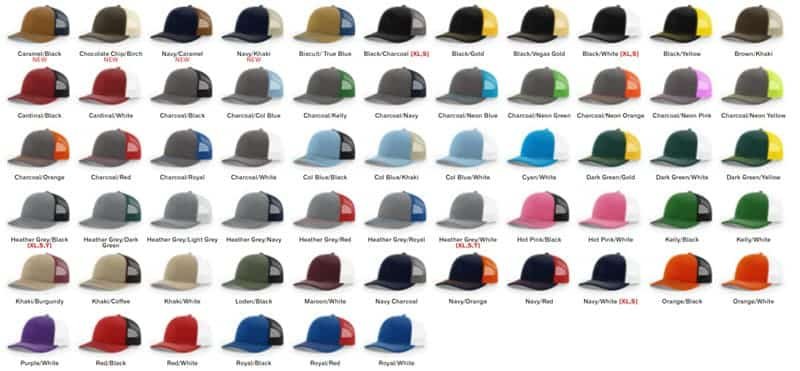
A reliable baseball cap manufacturer should be familiar with common styles such as 5-panel caps, 6-panel caps, dad hats, snapbacks, and trucker caps. Different structures work for different brand styles.
A 5-panel cap is often used for streetwear, outdoor, and performance looks. A 6-panel baseball cap gives a more classic shape and is widely used for sports, casual wear, and promotional products.
If you are comparing cap structures, you can also read our guide to 5-panel vs 6-panel baseball caps.
What quality control should the factory have?
Quality control should happen before, during, and after production. A baseball cap factory should check materials before cutting, inspect the sewing and logo process during production, and do a final check before packing.
For baseball caps, the final inspection should include logo position, loose threads, stains, visor shape, size, and packing quantity. ISO quality management principles also emphasize process control and continual improvement.
Custom Baseball Caps Quality Control Checklist
Quality control is an important part of custom baseball cap production. Even when the cap design looks simple, small details such as stitching, panel shape, logo position and brim curve can affect the final product.
For custom baseball caps, buyers should check the following points before bulk shipment:
Fabric color and material consistency
Crown shape and panel symmetry
Front panel structure and seam alignment
Brim curve, brim length and stitching rows
Embroidery position, logo size and thread color
Patch placement, border finishing and edge quality
Eyelets, top button, sweatband and inside taping
Back closure strength and size adjustment
Inside label, care label and private label details
Final packing, carton marks and quantity checking
A clear quality control process helps reduce mistakes in bulk production. It is especially important for repeat orders, private label collections and promotional projects where buyers need consistent products across different batches.
What should you send before asking for a quote?
To get a more accurate quote, send the supplier your cap style, logo file, quantity plan, and target delivery time. A reference photo is also helpful if you already have a clear style in mind.
If you need private label service, also mention neck label, inner taping, hang tag, sticker, polybag, or carton requirements. The more complete your information is, the more accurate the quote will be.
Final checklist
A good baseball cap manufacturer should offer clear sampling, stable quality, flexible MOQ, custom logo options, export support, and reliable communication. The best supplier is not always the cheapest one, but the one that can help your brand repeat the same quality in future orders.
Before placing an order, check the sample carefully, confirm all custom details, and make sure the production timeline fits your launch plan.
FAQ
A baseball cap manufacturer usually handles production, including cutting, sewing, logo decoration, inspection and packing. A baseball cap supplier may be a factory, trading company or sourcing partner. For brand buyers, the most important point is whether the supplier can support custom development, stable production and quality control.
You should compare cap styles, fabric options, logo methods, sample time, production time, MOQ, quality control process and export experience. The best baseball cap manufacturer for your brand should understand your target market and help recommend the right cap structure and logo method.
Quality control helps ensure that fabric color, crown shape, stitching, brim curve, logo position, labels and packing meet the approved sample. This is important for private label orders, repeat orders and brand collections that require consistent product quality.
Common logo methods include flat embroidery, 3D puff embroidery, woven patches, PVC patches, leather patches, rubber patches, heat transfer printing and screen printing. The best method depends on the cap fabric, front panel structure, logo size and brand style.
Yes. A professional custom baseball cap supplier can usually support both 5-panel and 6-panel structures. A 5-panel cap is often suitable for a clean front panel and patch logos, while a 6-panel cap is a classic choice for embroidery and team-style caps.