
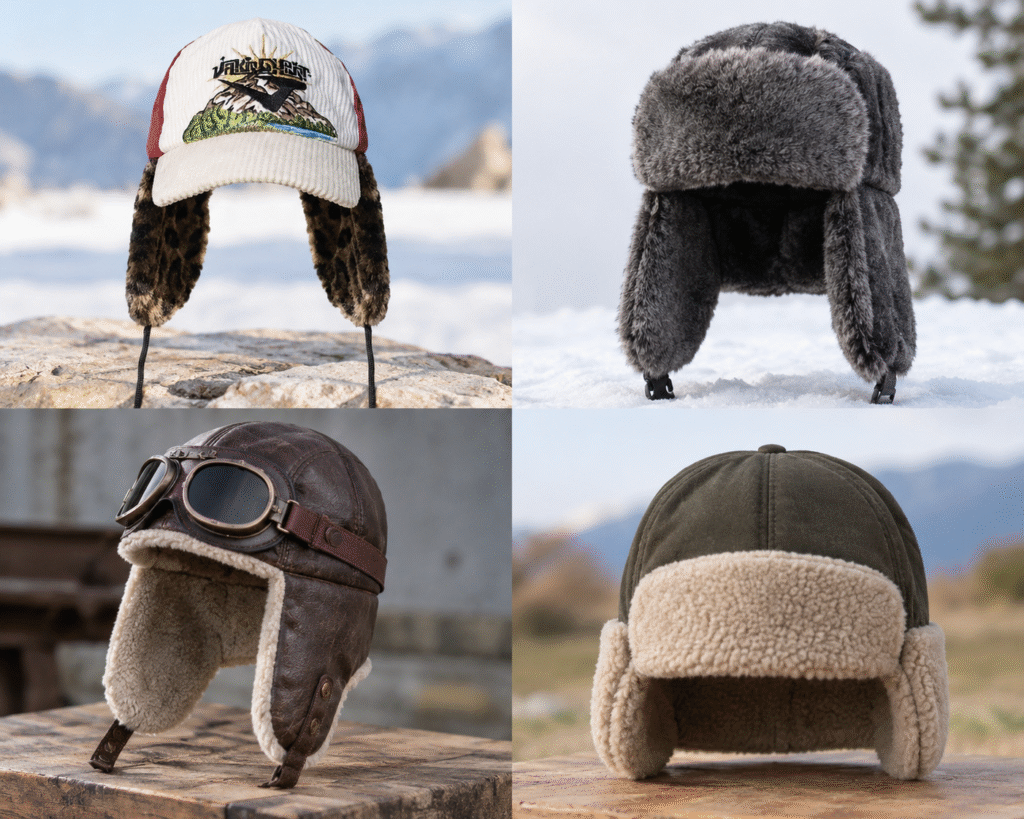
Trapper, ushanka, aviator, and bomber hats are four winter headwear styles that can provide warmth and ear protection, but they differ in design, construction, and style. Trapper and ushanka hats typically emphasize ear-flap coverage, while aviator and bomber hats are commonly associated with aviation-inspired or retro designs. The best choice depends on the hat’s insulation, fit, weather conditions, and intended use.
What Are Trapper, Ushanka, Aviator, and Bomber Hats?
Although these four winter hat styles share some features, their names reflect different design traditions and product characteristics. Understanding their typical construction makes it easier to compare them and select the right option.
What Is a Trapper Hat?
A trapper hat is a cold-weather hat commonly recognized by its extended ear flaps, which can often be worn down for additional coverage or secured when less protection is needed. Depending on the design, the ear flaps may cover the ears, sides of the face, and part of the neck.
Trapper hats come in a variety of materials, including fleece, faux fur, wool blends, nylon, and polyester. Some designs feature insulated linings, wind-resistant outer fabrics, or chin straps to help keep the hat securely in place.
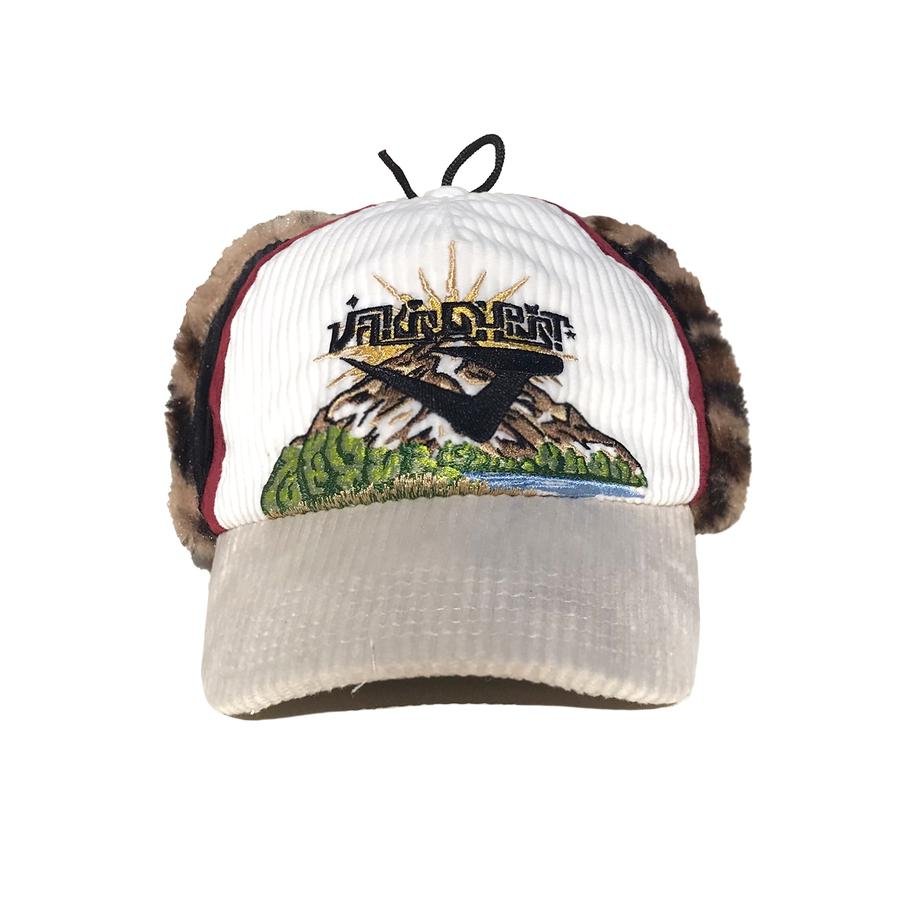
Their practical construction makes trapper hats suitable for winter commuting, outdoor activities, and casual cold-weather outfits. However, not every trapper hat provides the same level of insulation or coverage.
Explore the trapper hat wholesale collection to see different design directions and features.
What Is an Ushanka Hat?
An ushanka is a traditional winter hat associated with Russian and Eastern European cold-weather clothing. Its most recognizable feature is a pair of ear flaps that can typically be lowered to cover the ears or secured in another position, depending on the construction.
Traditional ushankas often have a rounded crown and a distinctive winter silhouette. Modern versions may use natural fur, faux fur, wool, fleece, or synthetic materials, allowing for different combinations of warmth, weight, appearance, and maintenance requirements.
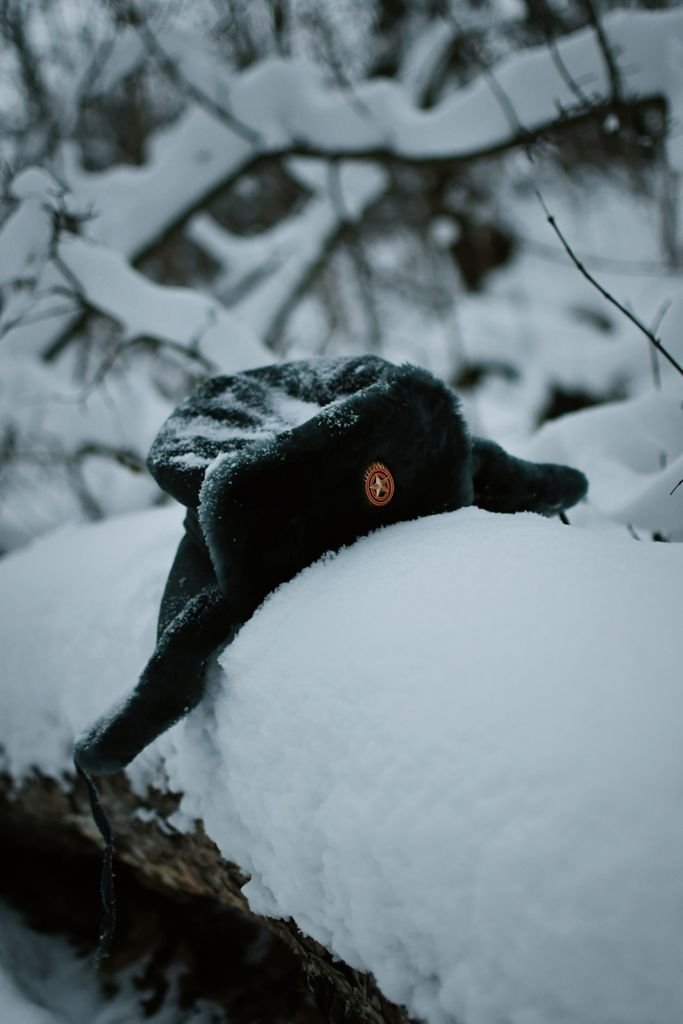
Ushankas are particularly recognizable for their traditional styling and prominent ear flaps. Nevertheless, their actual performance depends on the lining, outer material, fit, and amount of coverage.
For a more detailed comparison of their construction and design, read Trapper Hat vs. Ushanka: What’s the Difference?.
What Is an Aviator Hat?
An aviator hat takes its design inspiration from traditional flight headwear. Many versions feature a structured crown, shaped side panels, ear coverage, and a close-fitting silhouette. Some include leather or faux-leather outer shells, while others use textile fabrics and synthetic linings.
Aviator hats are often chosen for their aviation-inspired appearance, combining a distinctive vintage look with practical winter features. However, the term does not specify one universal construction. Some aviator hats have short visors, while others have no visor at all.
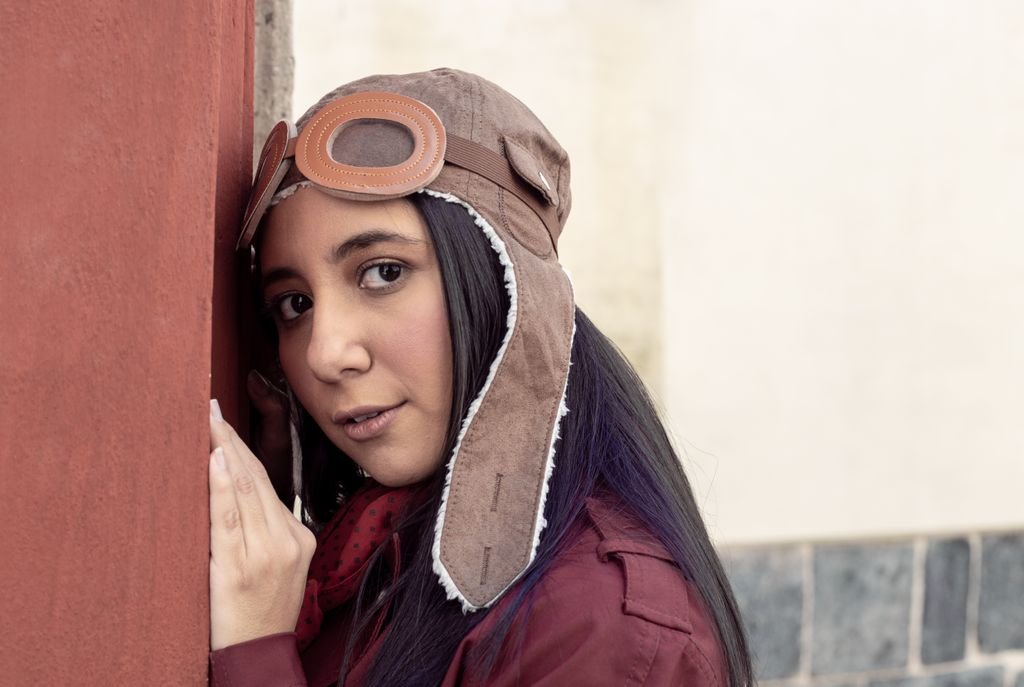
When evaluating an aviator hat, consider the shape of the crown, the coverage provided by the ear panels, the lining, and how closely the hat fits around the head.
For a closer look at the differences in design and functionality, see Trapper Hat vs. Aviator Hat: Key Differences.
What Is a Bomber Hat?
A bomber hat is commonly associated with retro winter headwear and aviation-inspired styling. Depending on the product, it may feature a structured crown, ear flaps, a warm lining, or a leather-like or textile outer shell.
In modern retail, bomber hats and aviator hats can overlap significantly. Some products are marketed using either name even when their silhouettes and construction are very similar. As a result, the label alone is not a reliable way to determine a hat’s materials, coverage, or warmth.
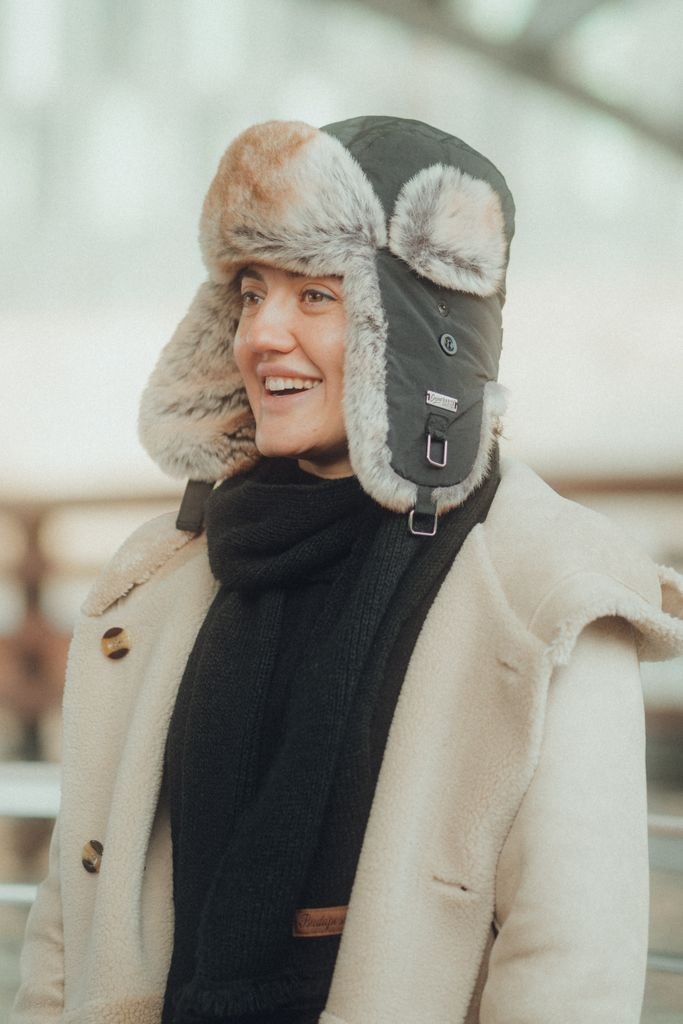
For buyers, the most useful details are the actual crown shape, ear-flap design, lining, fastening system, and overall fit. These characteristics provide a more accurate basis for comparison than the product name alone.
Trapper vs. Ushanka vs. Aviator vs. Bomber Hats: Key Differences
The most useful way to compare these four styles is to examine their typical design characteristics, ear coverage, styling, and construction. The following table provides a quick overview.
| Comparison Factor | Trapper Hat | Ushanka | Aviator Hat | Bomber Hat |
|---|---|---|---|---|
| Typical design | Practical cold-weather headwear | Traditional ear-flap winter hat | Aviation-inspired headwear | Retro or aviation-inspired headwear |
| Ear coverage | Commonly features extended ear flaps | Characteristically features ear flaps | Varies by design | Varies by design |
| Flap positioning | Often foldable or adjustable | Often worn down or secured up | Depends on construction | Depends on construction |
| Common materials | Fleece, faux fur, wool blends, nylon | Fur, faux fur, wool, fleece | Leather, faux leather, fleece, synthetic fabrics | Leather, faux leather, fleece, synthetic fabrics |
| Style | Outdoor, rugged, casual | Traditional, distinctive | Vintage, aviation-inspired | Retro, casual, urban |
| Warmth | Depends on insulation and coverage | Depends on insulation and coverage | Depends on insulation and coverage | Depends on insulation and coverage |
| Main selection factor | Practical coverage | Traditional design and ear flaps | Aviation-inspired appearance | Overall silhouette and styling |
These differences are useful starting points, but they are not rigid product standards. In particular, trapper and ushanka designs may share many features, while aviator and bomber hats can be nearly identical in some retail collections.
Design and Silhouette
Trapper hats generally emphasize functional coverage and a practical winter appearance. Ushankas are distinguished by their traditional ear-flap silhouette, while aviator and bomber hats often draw on aviation-inspired or retro styling.
These distinctions are more reliable as general design tendencies than as strict definitions. A modern leather trapper hat, for example, may look very similar to an aviator or bomber hat.
Ear Coverage and Construction
Ear coverage is one of the most important factors when choosing a winter hat. Trapper and ushanka designs commonly feature prominent ear flaps, but the amount of protection varies with flap length, fastening options, and the fit around the head.
Aviator and bomber hats may also provide substantial ear coverage. Their actual performance depends on the shape of the side panels and how closely they fit around the ears and jawline.
Rather than assuming that one category always offers better protection, compare the specific product’s coverage and construction.
Style and Intended Use
Trapper hats often suit practical outdoor and casual winter outfits. Ushankas appeal to people who prefer traditional winter headwear, while aviator and bomber styles are frequently selected for vintage, aviation-inspired, or urban looks.
These are styling tendencies rather than restrictions. The right choice depends on the wearer’s preferences and the conditions in which the hat will be used.
Which Winter Hat Should You Choose?
The best winter hat is not necessarily the one with the most distinctive name. It is the one whose construction, insulation, coverage, and fit match your intended use.
Choose a Trapper Hat for Practical Cold-Weather Coverage
A trapper hat is worth considering if you prioritize extended ear coverage, practical winter functionality, and a versatile outdoor style.
When comparing products, check whether the ear flaps cover the ears completely, whether they can be secured in different positions, and whether the lining and outer shell are suitable for your local climate.
Choose an Ushanka for Traditional Winter Style
An ushanka is a strong option if you prefer a traditional winter silhouette and recognizable ear-flap design.
Consider the shape of the crown, the length of the flaps, the lining material, and the fastening method. These features can influence both the appearance and comfort of the hat.
Choose an Aviator Hat for Aviation-Inspired Style
An aviator hat may be a better fit if you like structured silhouettes, vintage aviation details, and distinctive materials such as leather or faux leather.
Pay attention to the front profile, side panels, lining, and fit. A streamlined design may suit everyday outfits, while a more heavily insulated version may be better for colder conditions.
Choose a Bomber Hat for Retro Everyday Wear
A bomber hat is worth considering if you prefer a retro or aviation-inspired look for everyday winter outfits.
Because the term is used flexibly in retail, compare the actual design rather than relying on the label. Check the crown shape, ear coverage, lining, and overall bulk to make sure the hat suits both your style and your weather conditions.
Which Hat Is Best for Different Winter Conditions?
| Situation | What to Prioritize |
|---|---|
| Cold, windy weather | Full ear coverage, suitable insulation, and a wind-resistant shell |
| Everyday commuting | Comfort, secure fit, and versatile styling |
| Outdoor activities | Appropriate coverage, secure construction, and weather-suitable materials |
| Mild winter conditions | Lighter insulation and comfortable lining |
| Aviation-inspired outfits | Aviator or bomber styling |
| Traditional winter outfits | Ushanka styling |
For extended exposure to cold weather, prioritize verified product construction over category names. A well-insulated, close-fitting hat with suitable coverage can outperform a thicker-looking hat that allows cold air to enter around the ears.
What Makes a Winter Hat Warm?
Although these four styles have different design associations, the same physical factors determine how well they perform in cold weather.
Insulation and Lining
The lining and insulation help retain warmth around the head and ears. Fleece, faux fur, wool blends, and synthetic materials are commonly used in winter headwear, but their performance varies according to material properties, thickness, density, and construction.
A thick lining does not automatically make a hat the warmest option. Its effectiveness also depends on how well the hat covers the head and limits unwanted air movement.
Ear Coverage and Wind Resistance
Ear flaps can provide additional coverage, particularly when they extend over the ears and sit close to the sides of the head. However, coverage alone does not guarantee strong wind protection.
The outer shell, seams, flap closure, and overall fit all affect how much cold air can enter. A wind-resistant outer fabric may be useful in exposed conditions, but the actual performance depends on the fabric and how the hat is constructed.
Fit and Overall Construction
A winter hat should fit securely without creating uncomfortable pressure. If it is too loose, the ear flaps may shift and leave gaps. If it is too tight, it may become uncomfortable during extended wear.
The crown shape, lining attachment, seams, and fastening system also affect the way a hat sits on the head. These details are particularly important when comparing products that appear similar in photographs.
The key takeaway: There is no universal warmth ranking for trapper, ushanka, aviator, and bomber hats. Insulation, coverage, wind resistance, and fit are more reliable indicators of performance than the product name.
FAQ
A trapper hat is a broad category of cold-weather headwear commonly recognized by its ear flaps, while an ushanka is associated with a traditional Russian-style winter hat. Their designs can overlap, so the most useful distinctions are the crown shape, flap construction, materials, and overall styling. Read our trapper hat vs. ushanka comparison for more details.
Trapper hats generally emphasize practical cold-weather coverage, while aviator hats are associated with aviation-inspired silhouettes and details. However, both may feature ear flaps, warm linings, and similar materials. The actual crown shape, side panels, and construction provide a more reliable comparison. See our trapper hat vs. aviator hat guide for a detailed explanation.
Trapper hats usually emphasize practical ear coverage, while bomber hats are often associated with retro or aviation-inspired styling. These labels are not standardized, and the two styles can overlap. Compare the actual ear-flap length, crown shape, lining, and fit to determine which design better suits your needs. For a deeper comparison, see our Trapper Hat vs. Bomber Hat guide.
No single hat category is always the warmest. Insulation thickness, lining material, ear coverage, outer-shell performance, and fit all influence warmth. A well-constructed aviator or bomber hat may provide as much practical warmth as a trapper or ushanka hat when their materials and coverage are comparable.
Not always, but the terms can overlap in modern retail. Both may refer to aviation-inspired winter hats with ear coverage and warm linings. Some designs have distinct crown shapes or front profiles, while others are nearly identical. Product specifications and photographs are more reliable than the label alone.
Final Thoughts: Finding the Right Winter Hat
Trapper, ushanka, aviator, and bomber hats each offer different design possibilities, but none is automatically the best choice for every winter situation.
Choose a trapper hat when practical ear coverage is a priority, an ushanka when you prefer traditional winter styling, an aviator hat for a distinctive flight-inspired look, or a bomber hat for retro everyday wear.
For any of these styles, evaluate the actual insulation, ear coverage, wind resistance, fit, and construction before making a decision. These factors have a more direct impact on comfort and cold-weather performance than the name used to describe the hat.
For brands and businesses exploring winter headwear options, SUMKCAPS offers a starting point for reviewing headwear styles and customization possibilities. If your product concept calls for a trapper-style design, explore the custom trapper hat page to learn more about customization options.


