跳到内容
跳到内容 
Hat shrinkage is a common problem many consumers face after washing or drying their caps. Searches like “Why do hats shrink in the dryer?” or “Do cotton hats always shrink?” show strong intent for clear explanations and practical solutions. Shrinkage is influenced by fabric type, heat exposure, moisture, and manufacturing quality. Understanding these factors helps prevent size changes and maintain long-term fit and durability.
Why Do Hats Shrink?
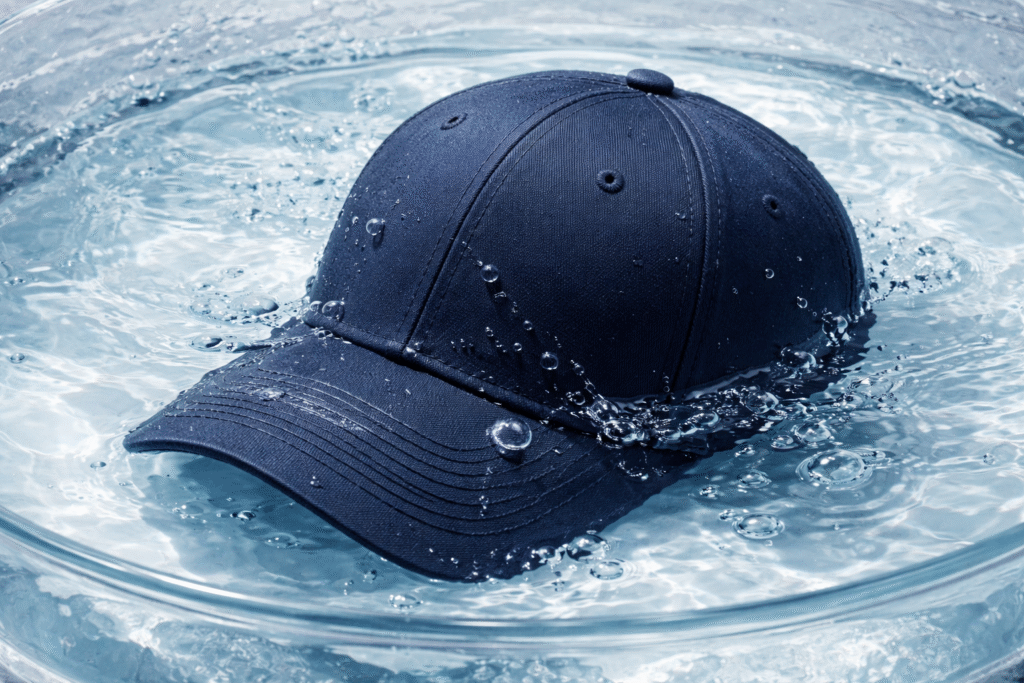
Hats shrink primarily because of heat, moisture, and fiber structure changes. When a hat is exposed to hot water, steam, or high dryer temperatures, the fibers inside the fabric contract. This contraction reduces the overall dimensions of the material, making the hat feel tighter or smaller.
From a Google search intent perspective, most users asking “Why did my hat shrink?” or “Do hats shrink in the dryer?” are experiencing post-wash fit issues. In most cases, the shrinkage happens due to:
- Washing with hot water
- Using a high-heat dryer cycle
- Repeated wash-and-dry exposure
- Natural fiber composition (like cotton or wool)
- Lack of pre-shrunk fabric treatment during manufacturing
Not all hats shrink equally. Structured caps (like snapbacks or trucker hats) may maintain crown shape but still reduce in circumference. Unstructured styles (like dad hats or beanies) are more vulnerable because the entire fabric body responds directly to heat and moisture.
The Science Behind Hat Shrinkage
To fully understand why hats shrink, it’s important to look at how textile fibers react to environmental changes.
How Fabric Fibers Contract
Fabrics are made of tightly woven or knitted fibers. Natural fibers such as cotton and wool have microscopic structures that expand when exposed to water. When these fibers absorb moisture, they swell and loosen slightly. However, during the drying process—especially under heat—they tighten and contract.
This contraction happens because:
- Internal fiber tension is released
- Hydrogen bonds in natural fibers realign
- The fabric returns to a denser, more compact state
If the material was not pre-shrunk during production, this contraction becomes permanent. That is why high-quality manufacturers often use pre-shrinking treatments to stabilize fabric dimensions before cutting and sewing.
The Role of Heat
Heat is the strongest trigger for shrinkage. When exposed to high temperatures:
- Cotton fibers tighten
- Wool fibers felt and interlock
- Blended fabrics partially contract
Dryers are particularly damaging because they combine heat + tumbling motion, which accelerates fiber tightening. Even synthetic materials like polyester, while more stable, can slightly deform under excessive heat.
This explains why searches like “Do hats shrink in the dryer?” consistently trend online—the dryer is the most common cause of sudden size reduction.
Moisture and Drying Cycles
Water alone does not always cause shrinkage, but water combined with drying stress does. Repeated washing cycles weaken fiber elasticity and gradually change the fabric’s structure.
Key factors include:
- Soaking duration
- Water temperature
- Spin speed
- Rapid evaporation
When moisture leaves fibers too quickly (such as in high-heat drying), the fibers contract aggressively. Over time, multiple wash cycles can lead to progressive shrinkage, especially in cotton-based hats.
Air drying significantly reduces this risk because it allows fibers to relax and dry gradually rather than tightening abruptly.
Which Hat Materials Shrink the Most?
When users search “Do cotton hats shrink?” or “What fabric shrinks the most?”, they are typically trying to understand why their hat changed size after washing. The answer depends largely on fiber composition. Different materials react differently to heat, moisture, and drying stress. Understanding these differences helps consumers choose better products and helps brands select stable materials for custom hats.
Cotton Hats
Cotton is one of the most common materials used in baseball caps, dad hats, and bucket hats. It is breathable, comfortable, and natural—but it is also highly prone to shrinkage.
Why cotton shrinks:
- Cotton fibers swell when absorbing water
- Heat causes fibers to contract permanently
- Lack of pre-shrinking treatment increases risk
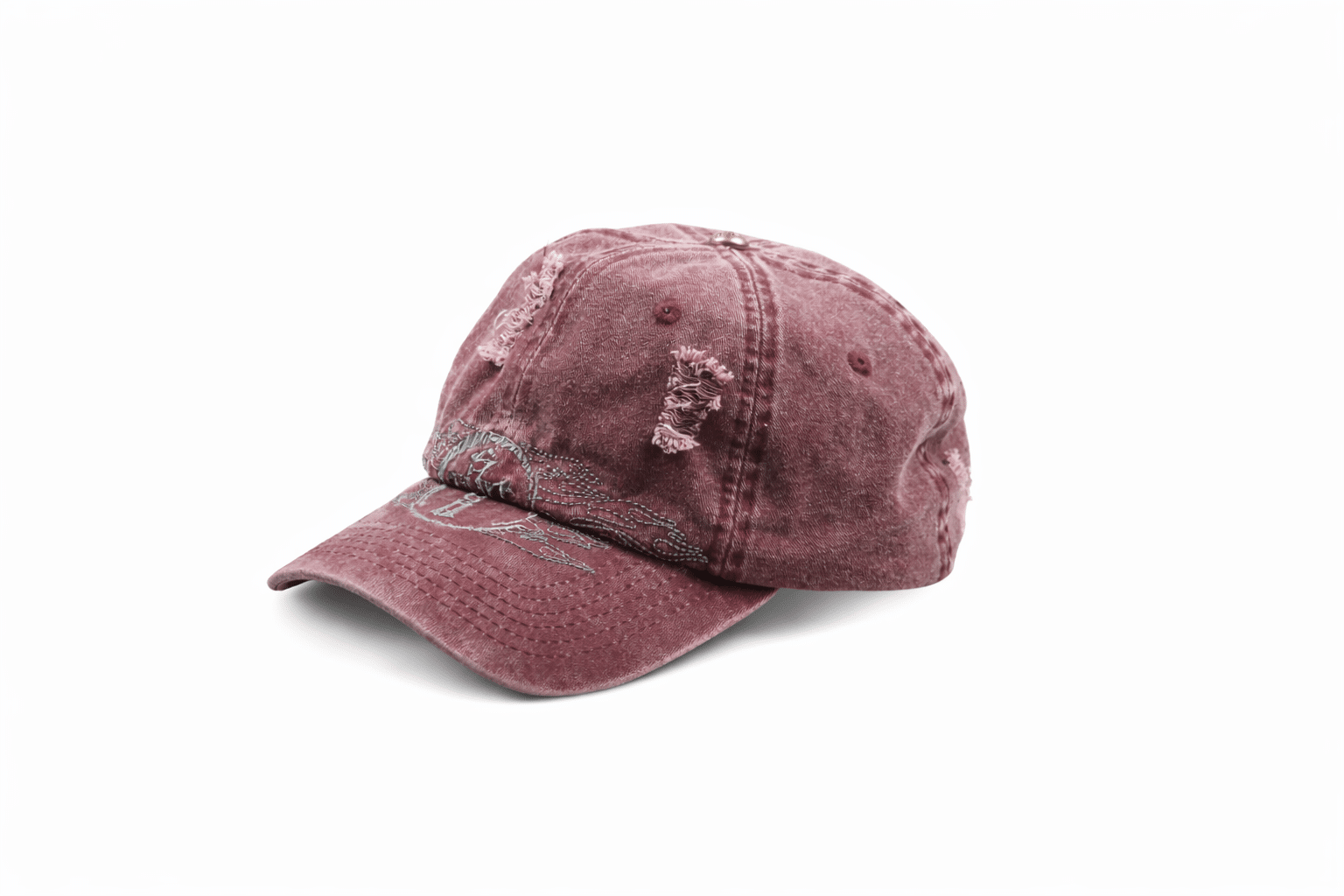
Most cotton hats shrink during the first wash, especially if washed in hot water or dried at high temperatures. If the fabric was not pre-shrunk during manufacturing, the size reduction can be noticeable.
From a search intent perspective, cotton is the top concern because it is widely used in everyday caps. Users looking for shrink-resistant hats should check whether the cotton fabric is pre-treated.
Wool Hats
Wool is even more sensitive than cotton, particularly in beanies and winter hats. When exposed to heat and moisture, wool fibers undergo a process called felting, where microscopic scales on the fibers interlock tightly.
Why wool shrinks:
- Heat activates fiber scales
- Agitation increases interlocking
- Fiber structure permanently tightens
This type of shrinkage is often more dramatic and less reversible than cotton shrinkage. That is why many wool hats require cold water washing and air drying only.
Searches like “Why did my beanie shrink?” often involve wool-based products.
Polyester Hats
Polyester is a synthetic fiber and is much more resistant to shrinkage compared to natural fibers.
Why polyester shrinks less:
- Stable molecular structure
- Low moisture absorption
- Heat resistance under normal washing conditions
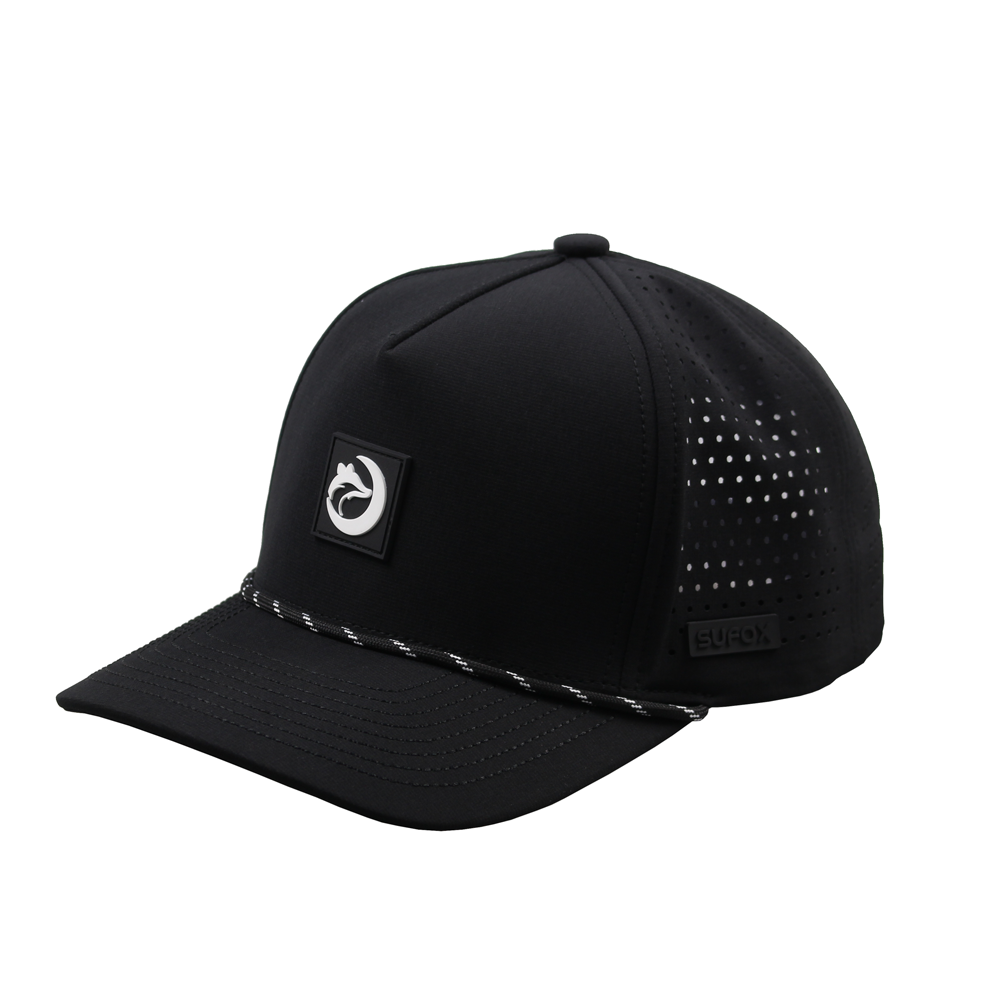
Polyester hats, including many performance caps and trucker hat mesh panels, typically maintain size even after repeated washing. However, extreme heat (very high dryer settings) can still cause slight deformation.
For users prioritizing durability and size stability, polyester-based hats are often recommended.
Blended Fabrics
Blended fabrics (such as cotton-polyester blends) are designed to balance comfort and durability. These materials shrink less than pure cotton but more than fully synthetic fabrics.
Why blends perform better:
- Polyester reduces total contraction
- Improved structural stability
- Better shape retention over time
Blends are common in modern custom hats because they offer both softness and shrink resistance. From a manufacturing perspective, fabric blends are often the best solution for minimizing returns caused by fit changes.
The Biggest Mistakes That Cause Hats to Shrink
When users search “Why did my hat shrink after washing?” or “How do I stop my cap from shrinking?”, they are usually looking for specific mistakes they may have made. In most cases, shrinkage is not random — it is caused by preventable care errors.
1. Washing with Hot Water
Hot water weakens fiber tension and triggers contraction, especially in cotton and wool hats. Even one hot wash can permanently reduce size.
2. Using a High-Heat Dryer
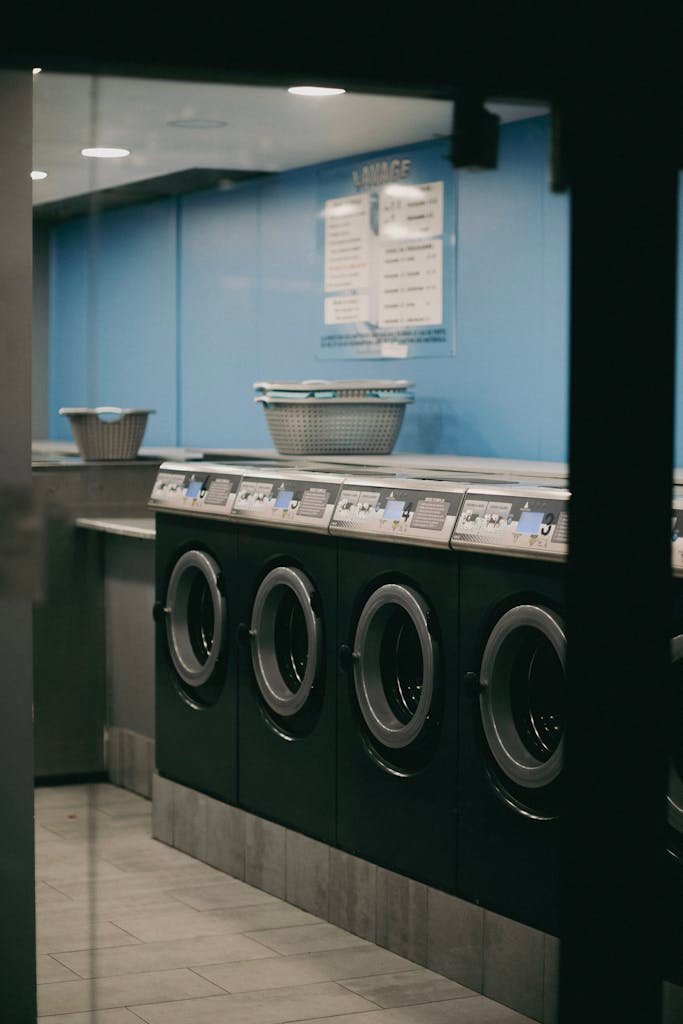
Dryers combine heat and tumbling, which accelerates shrinkage. This is the most common cause behind searches like “Do hats shrink in the dryer?”
3. Repeated Wash-and-Dry Cycles
Shrinkage can be gradual. Each high-temperature cycle tightens fibers slightly, eventually affecting fit.
4. Ignoring Care Labels
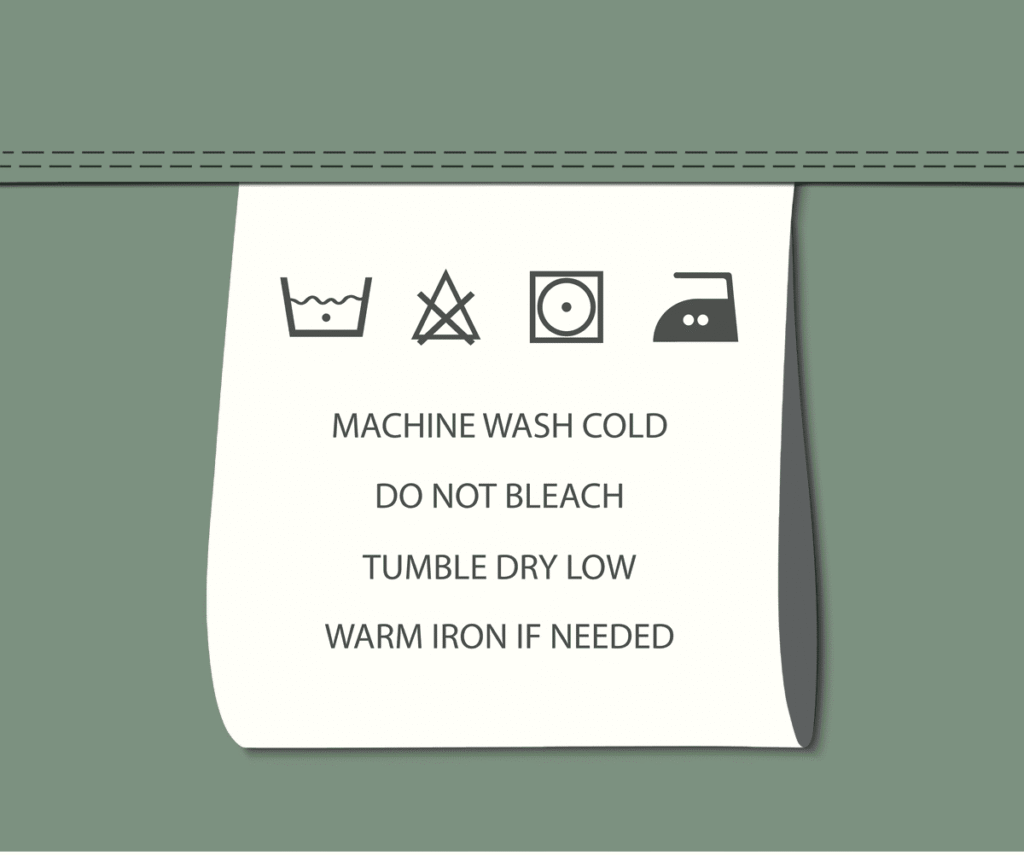
Different materials require different cleaning methods. Wool, cotton, and blended fabrics respond differently to moisture and heat.
5. Choosing Low-Quality, Non-Pre-Shrunk Hats
If fabric is not pre-treated during manufacturing, the first wash often causes noticeable shrinkage. Manufacturing quality plays a critical role in size stability.
Avoiding these mistakes significantly reduces the risk of hat shrinkage.
Best Materials for Custom Hats
For brands and bulk buyers searching “What is the best material for custom hats?”, the answer depends on balancing comfort, durability, and shrink resistance.
1. Cotton-Polyester Blends
- Reduced shrinkage compared to pure cotton
- Comfortable and breathable
- Ideal for baseball caps and dad hats
2. Performance Polyester Fabrics
- Highly stable sizing
- Moisture-wicking
- Minimal shrinkage risk
- Suitable for sports caps and trucker hats
3. Pre-Shrunk Cotton
- Maintains natural feel
- Controlled dimensional stability
- Better long-term consistency
4. Structured Synthetic Panels
Often used in snapback and trucker hats to maintain crown shape even after washing.
For businesses, selecting pre-treated and dimensionally stable fabrics reduces returns, improves customer satisfaction, and ensures consistent sizing across production batches.
Custom Hat Solutions by Sumkcaps
For brands concerned about shrinkage, manufacturing standards matter as much as fabric selection. As a professional China custom hat manufacturer, Sumkcaps focuses on reducing shrinkage risks through controlled production processes.
1. Pre-Shrunk Fabric Sourcing
All major fabric types can undergo stabilization treatment before cutting and sewing.
2. Structured Design Engineering
From snapback hats and trucker hats to bucket hats and dad hats, structural reinforcement helps maintain shape even after washing.
3. Fabric Recommendations Based on Use Case
- Cotton blends for lifestyle caps
- Polyester for sports and performance hats
- Stable knit materials for beanies
4. OEM & ODM Customization
Clients can choose materials based on climate, target market, and washing expectations.
By combining material science, controlled manufacturing, and quality inspection, Sumkcaps helps brands deliver custom hats with stable sizing and long-term durability — minimizing shrinkage issues before they reach the end customer.
Conclusion
Hat shrinkage is mainly caused by heat, moisture, and fiber contraction. Natural materials like cotton and wool are more likely to shrink, especially when exposed to hot water or high dryer temperatures. However, shrinkage can be significantly reduced through proper washing methods and by choosing pre-shrunk or blended fabrics. For brands and bulk buyers, selecting stable materials and working with a professional custom hat manufacturer ensures better size consistency, durability, and long-term customer satisfaction.
FAQ
Wash in cold water and always air dry to reduce shrinkage risk.
Soak in lukewarm water, gently stretch, and air dry to reshape.
Wool shrinks the most, followed by cotton under heat exposure.