跳到内容
跳到内容 
Sun protection has become a growing concern for consumers worldwide, especially as awareness of skin health and UV exposure continues to rise. Hats are no longer just fashion accessories—they play a functional role in protecting the face, scalp, and neck from harmful sunlight. Among the many styles available, bucket hats have gained renewed popularity in recent years. But an important question remains: are bucket hats actually good for sun protection?
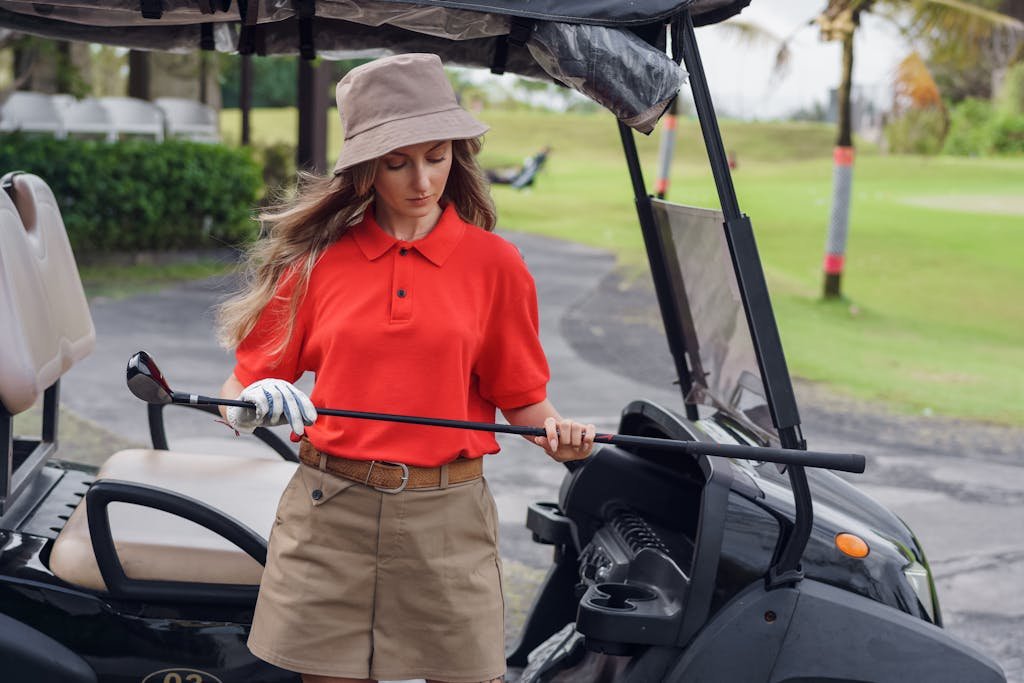
In this article, we’ll take a comprehensive look at bucket hats from a sun-protection perspective. We’ll explore how they work, how effective they are compared to other hat styles, what factors influence their performance, and why design and manufacturing details matter. Whether you’re a consumer choosing a summer hat or a brand developing bucket hats for the global market, this guide will help you understand the real value of bucket hats for sun protection.
Why Sun Protection Matters When Choosing a Hat
Ultraviolet (UV) radiation from the sun is one of the leading causes of skin damage. Prolonged exposure can lead to sunburn, premature aging, and long-term skin conditions. While sunscreen is essential, dermatologists consistently emphasize that physical barriers, such as clothing and hats, provide one of the most reliable forms of sun protection.
When it comes to headwear, many people focus only on shielding the scalp or face. However, areas like the ears, temples, and back of the neck are often overlooked—even though they are highly exposed to sunlight. A hat that fails to cover these areas may leave the wearer vulnerable despite seeming protective at first glance.
This is why choosing the right hat design matters. Not all hats provide the same level of coverage, and not all materials block UV radiation equally. Understanding these differences is key to determining whether a bucket hat is truly effective for sun protection.
What Is a Bucket Hat? Key Design Features Explained
A bucket hat is defined by its soft, downward-sloping brim and rounded crown. Unlike structured caps, bucket hats are typically made from flexible fabrics and offer a more relaxed fit. This design originated from functional outdoor wear and was later adopted into mainstream fashion.
Key design features include:
- A 360-degree brim that surrounds the head
- A low-profile crown that sits comfortably on the scalp
- Soft construction that allows the brim to angle downward naturally
Compared to other popular styles such as baseball caps or snapbacks, bucket hats are uniquely positioned to offer broader coverage. The brim does not just extend forward; it wraps all the way around the head, creating a continuous shade.

As experienced bucket hat manufacturers in China, companies like Sumkcaps understand how subtle design choices—such as brim angle, width, and fabric structure—can significantly influence both comfort and sun protection performance.
Are Bucket Hats Actually Good for Sun Protection?
How Bucket Hats Protect Your Face, Neck, and Ears
One of the biggest advantages of bucket hats is their ability to provide even, all-around coverage. The brim shades not only the face but also the sides of the head and the upper neck area. This is especially important because ears and necks are among the most commonly sunburned areas.
In practical terms, a well-designed bucket hat can:
- Reduce direct sun exposure to the face
- Shade the ears from side-angle sunlight
- Offer partial protection to the back of the neck
- Minimize glare, improving comfort outdoors
This makes bucket hats particularly suitable for activities such as walking, sightseeing, outdoor work, festivals, and casual travel, where the sun may hit from different angles throughout the day.
Bucket Hat vs Baseball Cap: Which Is Better for Sun Protection?
One of the most frequently searched questions online is whether bucket hats offer better sun protection than baseball caps. The short answer is: in most cases, yes.
Baseball caps are designed with a forward-facing visor, which effectively shades the eyes and forehead. However, they leave several areas exposed:
- Ears
- Sides of the face
- Back of the neck
In contrast, bucket hats provide continuous coverage around the head. While the brim may not extend as far forward as a baseball cap’s visor, the overall protection is more balanced.
That said, the effectiveness still depends on factors such as brim width, fabric thickness, and fit. A poorly designed bucket hat may not outperform a well-made cap, but structurally, bucket hats have a clear advantage when sun protection is the priority.
Sumkcaps is a professional supplier and manufacturer of custom bucket hats, capable of customizing various types, including Bucket Hats with String, Embroidered Bucket Hats, Camo Bucket Hats, Cotton Bucket Hats, and more. Please contact us if you have any needs.
What Factors Affect the Sun Protection of a Bucket Hat?
Not all bucket hats provide the same level of protection. Several design and material factors determine how well a bucket hat performs against UV exposure.
Brim Width – Does Wider Mean Better Protection?
Brim width plays a critical role in sun protection. A wider brim creates a larger shaded area, reducing the amount of direct sunlight that reaches the skin.
In general:
- Narrow brims offer minimal protection, mainly for the scalp
- Medium brims provide face and partial ear coverage
- Wider brims offer better protection for ears and upper neck
However, extremely wide brims may sacrifice practicality or comfort, especially in windy conditions. This is why professional bucket hat suppliers carefully balance brim width with wearability when developing products for different markets.
Fabric Matters: Cotton, Polyester, Nylon, and More
The fabric used in a bucket hat significantly impacts its ability to block UV rays. Factors such as fiber type, weave density, and thickness all influence sun protection.
- Tightly woven fabrics block more UV radiation than loosely woven ones
- Thicker materials generally offer better protection
- Darker colors tend to absorb more UV rays than lighter shades
Cotton bucket hats are breathable and comfortable, making them popular for everyday wear. Polyester and nylon fabrics are often used for outdoor or performance bucket hats due to their durability and moisture resistance. Each fabric has its strengths, and the choice depends on the intended use.
UPF Rating – Do Bucket Hats Have It?
UPF (Ultraviolet Protection Factor) is a standardized rating system that indicates how much UV radiation a fabric allows to pass through. For example:
- UPF 15 blocks about 93% of UV rays
- UPF 30 blocks about 97%
- UPF 50+ blocks more than 98%
Not all bucket hats are labeled with a UPF rating. Many fashion-focused designs rely on standard fabrics without testing or certification. However, some bucket hats—especially those developed for outdoor or sun-protective use—are engineered to meet specific UPF standards.
As a professional bucket hat supplier in China, Sumkcaps works with a wide range of materials and production techniques, allowing brands to request UPF-tested fabrics when sun protection is a core requirement.
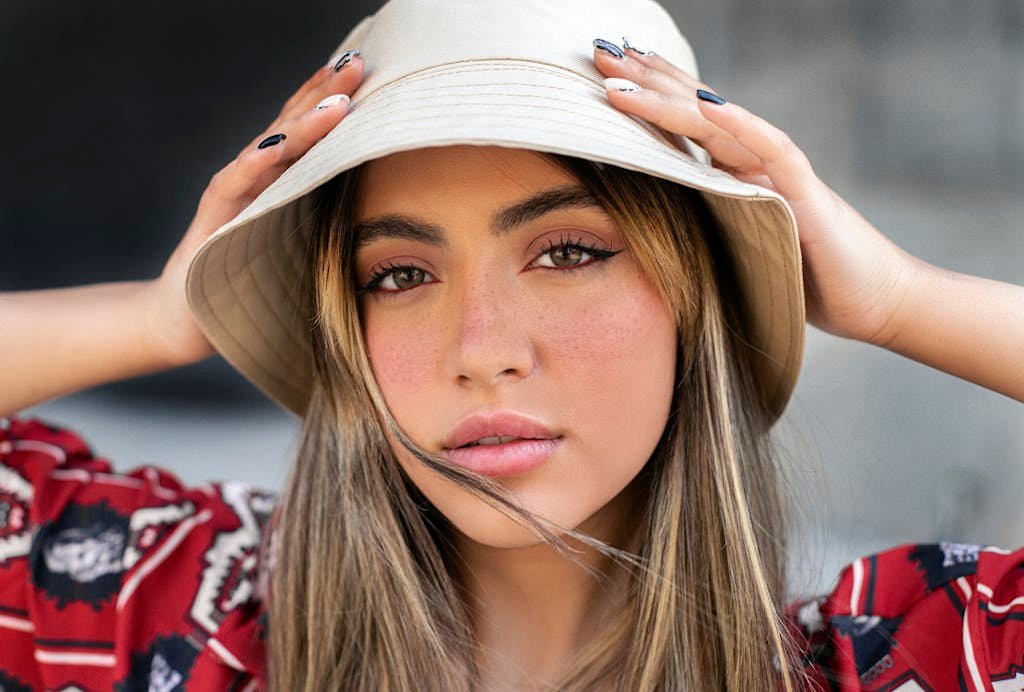
Are All Bucket Hats Good for Sun Protection?
Despite their advantages, it’s important to understand that not all bucket hats are equally effective. Some designs prioritize aesthetics over function, resulting in limited sun protection.
Common limitations include:
- Very short brims that fail to shade ears or neck
- Thin, lightweight fabrics with low UV resistance
- Loose fits that shift easily, exposing skin
- Decorative designs that compromise coverage
This explains why some consumers feel disappointed after wearing a bucket hat in strong sunlight. The issue is not the style itself, but rather how the hat is designed and manufactured.
Bucket Hats for Different Outdoor Scenarios
Bucket hats are used in a wide range of environments, and their sun protection performance can vary depending on the scenario.
- Urban and daily wear: Suitable for moderate sun exposure during commuting, walking, or casual outings
- Beach and travel: Provide balanced coverage but may need additional features for wind resistance
- Hiking and outdoor activities: Require secure fit and durable fabrics for consistent protection
- Festivals and events: Offer comfort and shade during long hours outdoors
Understanding the intended use helps determine whether a particular bucket hat will meet sun protection expectations.
Why Choose Sumkcaps as Your Bucket Hat Supplier in China
When it comes to developing bucket hats that balance style, comfort, and functionality, manufacturing expertise matters. Sumkcaps is a professional bucket hat manufacturer and supplier in China, specializing in OEM and ODM solutions for global brands.
With in-depth knowledge of fabrics, brim structures, and production standards, Sumkcaps helps clients create bucket hats that align with market demands—whether for fashion collections or functional outdoor use. Attention to detail at every stage of manufacturing ensures consistent quality and reliable performance.
For brands sourcing bucket hats at scale, working with an experienced supplier is essential to achieving both design goals and practical expectations.
Final Verdict: Are Bucket Hats Good for Sun Protection?
So, are bucket hats good for sun protection? Yes—when designed correctly.
Thanks to their all-around brim and comfortable structure, bucket hats can offer broader coverage than many other hat styles. They are particularly effective at shading areas that are often neglected, such as the ears and sides of the face. However, their performance depends heavily on factors like brim width, fabric choice, and overall construction.
For consumers, understanding these elements leads to better purchasing decisions. For brands, it highlights the importance of thoughtful design and professional manufacturing.
FAQ
They can offer partial protection, especially for the upper neck, but coverage depends on brim width and angle.
Yes, they are commonly used at the beach, though wind and fabric choice can affect comfort and stability.
In general, bucket hats provide more balanced coverage due to their 360-degree brim.
Yes, bucket hats are often used for kids because they provide even coverage and a comfortable fit.