跳到内容
跳到内容 
When creating custom hats, one of the most important decisions you will make is choosing between embroidery and printing. While both decoration methods can transform a simple cap into a powerful branding tool, they produce very different visual effects, durability levels, and cost structures. Selecting the right option is not just a design choice — it directly impacts how your brand is perceived, how long the hat will last, and how effectively it communicates your message.
Many businesses, fashion brands, and event organizers struggle with this decision. Embroidery offers a premium, textured appearance often associated with long-lasting quality, while printing allows for intricate details, vibrant colors, and creative flexibility. However, the best method depends on several practical factors, including hat structure, fabric type, design complexity, and intended use.
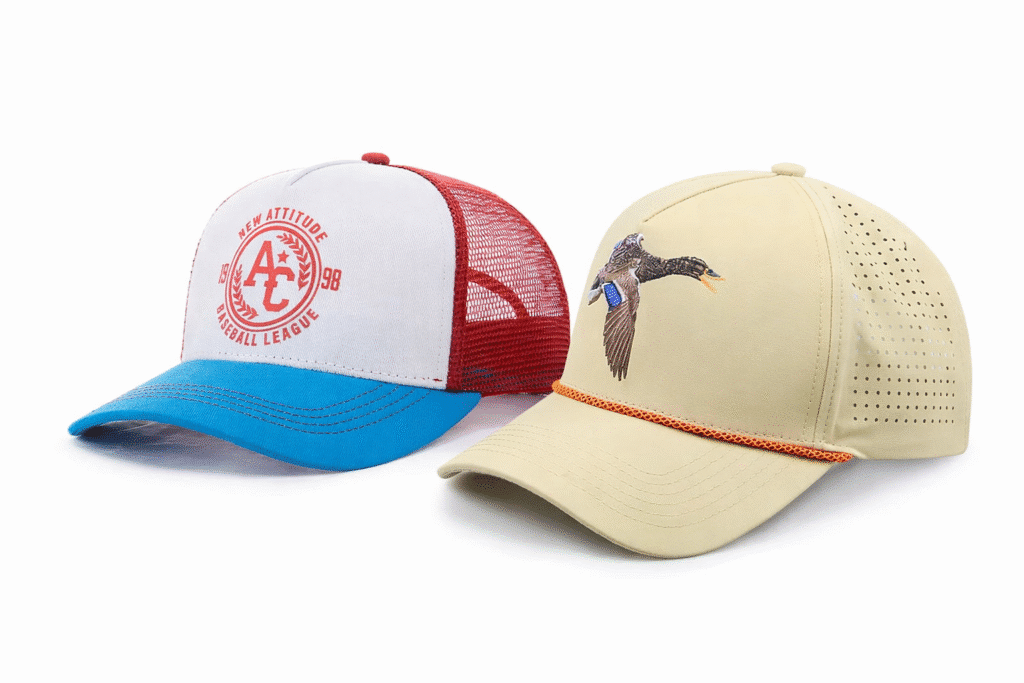
Understanding the strengths and limitations of each technique can help you avoid costly mistakes and achieve the exact look you want. Whether you are designing promotional merchandise, retail products, or team uniforms, making an informed choice ensures better results and stronger brand impact.
In this guide, we will explore the key differences between embroidery and printing on hats, examine the factors that influence your decision, and help you determine which method is best suited for your specific needs.
What Is Hat Embroidery?
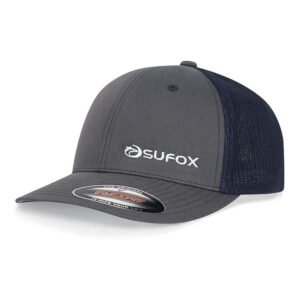
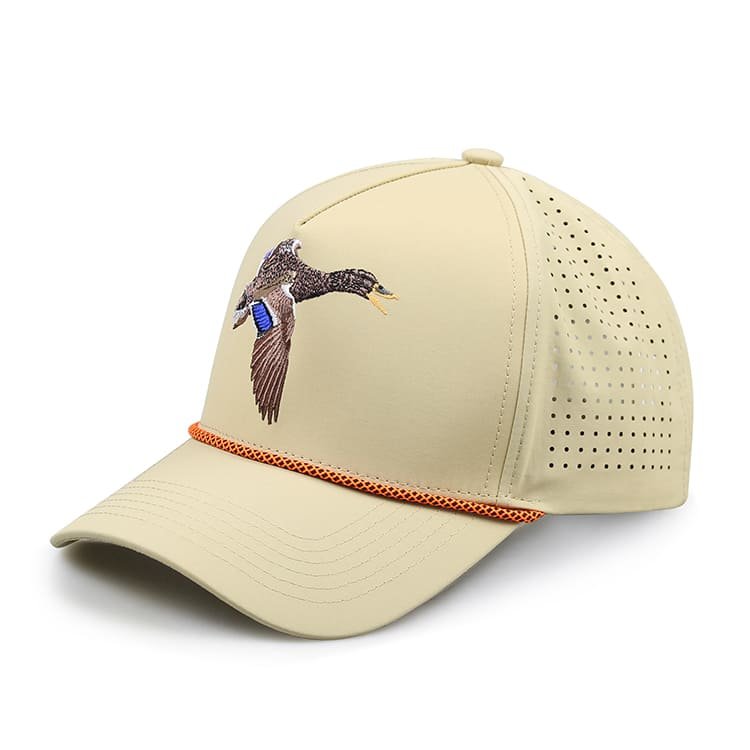
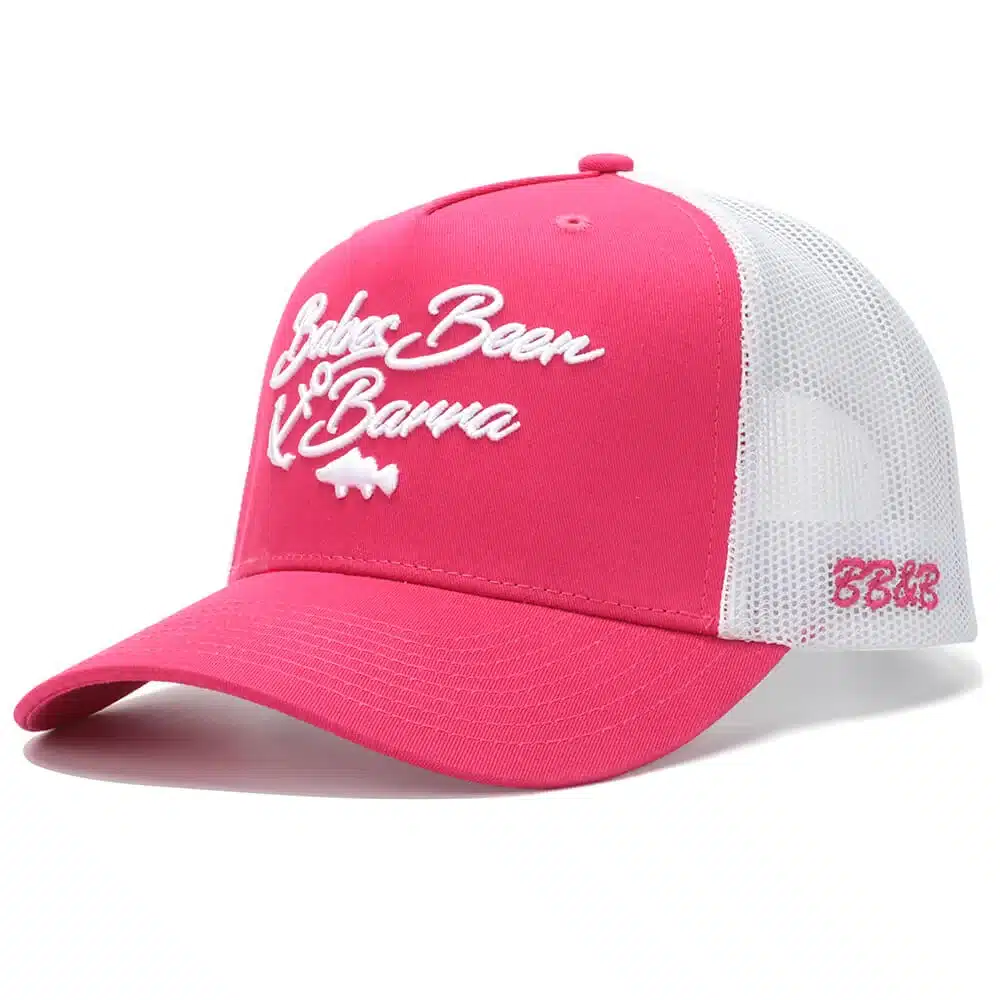
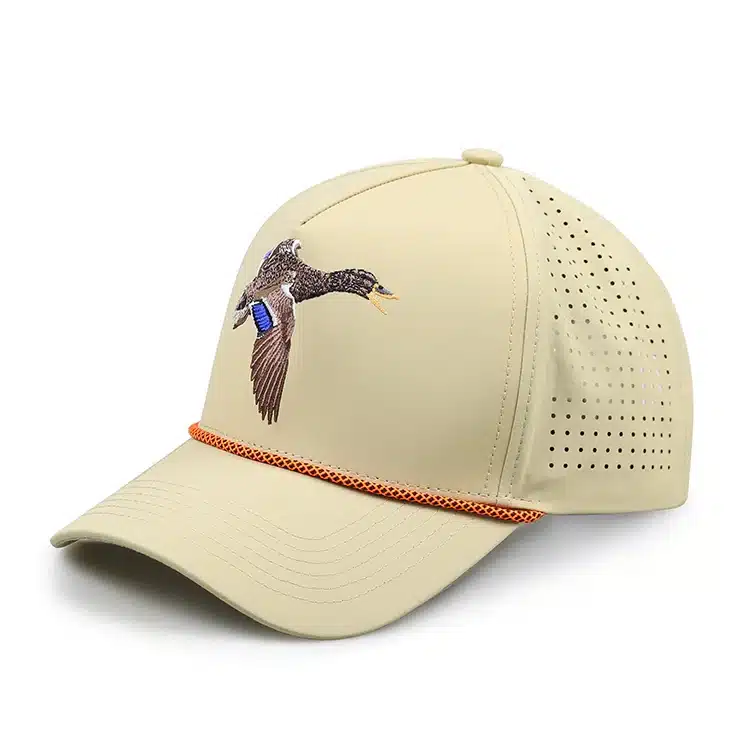
Hat embroidery is a traditional decoration technique that uses threads stitched directly onto the fabric to create logos, designs, or text. Unlike printing, embroidery adds texture, depth, and a tactile quality that can elevate a simple cap into a premium accessory. Modern embroidery machines allow for precise, detailed designs, making it a popular choice for custom caps, team hats, and branded merchandise. It’s especially favored in the fashion and corporate worlds for the professional and long-lasting look it provides.
Advantages of Embroidery
Embroidery is often associated with durability and quality. The stitched threads are resistant to fading and wear, making embroidered hats ideal for long-term use or repeated washing. The technique adds a three-dimensional effect, giving logos and designs a more prominent and sophisticated appearance. Embroidery also works well on various fabrics, from cotton and polyester to wool blends, and is highly versatile for both structured and unstructured hat styles. Furthermore, it conveys a sense of premium craftsmanship, which can enhance brand perception and appeal to consumers who value quality.
Disadvantages of Embroidery
Despite its benefits, embroidery has limitations that are important to consider. Highly detailed designs or extremely small text may lose clarity, as the thickness of the thread can make intricate elements hard to reproduce. It also tends to be more expensive than printing, especially for complex or multi-color designs, due to the labor and materials involved. Additionally, embroidery adds a slightly heavier texture to the hat, which may not suit every style, particularly lightweight or flexible caps. For designs requiring vibrant color gradients or photographic detail, embroidery may fall short compared to modern printing techniques.
What Is Hat Printing?
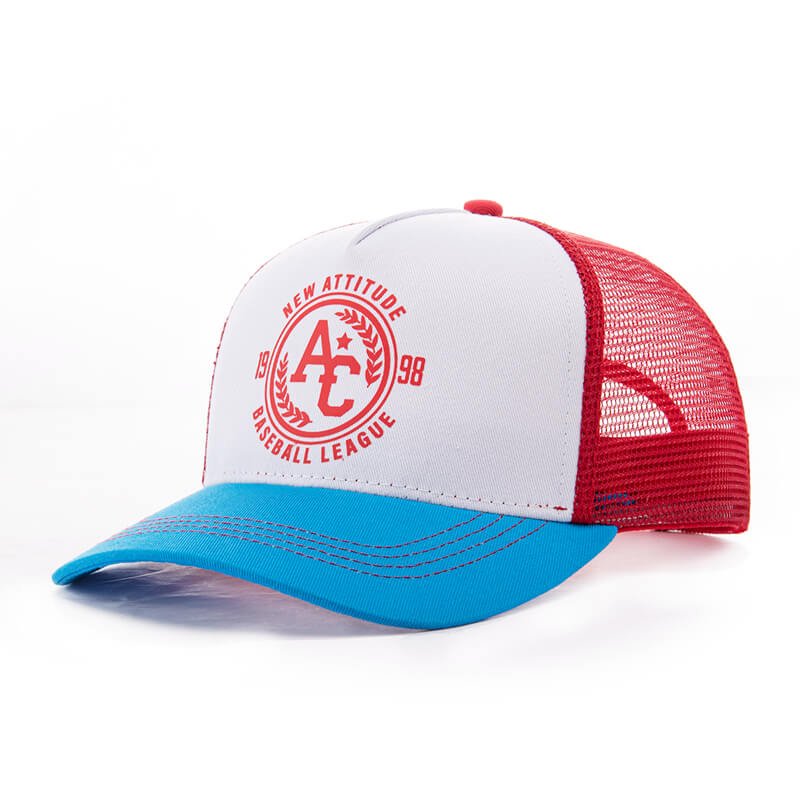
Hat printing is a modern technique that transfers designs onto fabric using ink, heat, or sublimation methods. Unlike embroidery, printing creates a smooth, flat surface, allowing for highly detailed graphics, vibrant colors, and complex patterns that are difficult to achieve with thread. This method is particularly popular for custom hats with intricate logos, photographic designs, or colorful artwork. From fashion caps to promotional merchandise, printing offers unparalleled flexibility in creative expression.
Advantages of Printing
One of the biggest strengths of hat printing is design versatility. Printing can reproduce fine lines, gradients, and multi-color images with precision, making it ideal for detailed logos or artistic designs. It is also generally more cost-effective than embroidery, especially for bulk orders or complex designs, because it requires less manual labor and materials. Printing works well on a variety of fabrics, including cotton, polyester, and blends, and can be applied to virtually any panel of the hat, giving designers more freedom in placement. Additionally, printing can achieve a lightweight, low-profile finish, which suits modern fashion trends and unstructured hat styles.
Disadvantages of Printing
Despite its creative advantages, printing comes with some limitations. Printed designs may fade, crack, or peel over time, particularly on hats that are washed frequently or exposed to harsh sunlight. It also lacks the tactile, premium feel that embroidery provides, which can make a design appear less high-end. Certain fabric textures, like thick wool or corduroy, may also be challenging to print on effectively. Finally, while printing excels at complex imagery, it may not convey the same sense of durability and professionalism that embroidered designs naturally provide.
Influencing Factors
Choosing between embroidery and printing on hats is not just a matter of style—it’s a strategic decision that depends on multiple design and production factors. Understanding these considerations can help you create a hat that not only looks great but also meets your functional, branding, and budgetary goals.
Structured vs. Unstructured Hats
The structure of a hat plays a significant role in determining the best decoration method. Structured hats, with firm panels and a stable shape, support embroidery exceptionally well, ensuring that stitched designs remain crisp and even. On the other hand, unstructured hats are softer and more flexible, which can make embroidery more challenging and sometimes lead to puckering or uneven stitching. Printing, with its flat and adaptable application, works well on both structured and unstructured styles, offering greater flexibility for softer, casual caps.
Number of Panels
The number of panels on a hat also affects the choice. Multi-panel hats, like six-panel caps, provide more surface area but can create seams that interrupt embroidery patterns. Printing can seamlessly cover panel junctions and accommodate irregular shapes without distortion, making it ideal for highly detailed or full-panel designs. Fewer panels, such as in five-panel hats, often work well with either method but can influence how prominent or centralized the design appears.
Material
Hat fabric is another critical factor. Embroidery is most effective on medium to thick fabrics, such as cotton twill or wool blends, where stitches can hold firmly without causing fabric distortion. Lightweight or delicate materials may not withstand dense stitching and are often better suited for printing techniques. Printing, especially sublimation or heat transfer, can adapt to a wider range of materials, including polyester and performance fabrics, without compromising detail or color vibrancy.
Placement of the Design
Where the design is applied—front, side, back, or full-panel—also impacts the method selection. Embroidery is ideal for centralized logos or small patches, providing a professional, textured look. Printing, however, excels at large, intricate, or all-over designs, covering unusual positions like curved brims or side panels without limitations.
Closure Type
Finally, the hat’s closure type can influence decoration choices. Hats with adjustable straps, snapbacks, or elastic bands may stretch or shift, which can affect embroidery alignment. Printing is generally more forgiving in these cases, maintaining design consistency across varying hat adjustments.
By carefully considering these factors, you can choose the decoration method that not only looks best but also performs well over time, ensuring your hats meet both aesthetic and functional expectations.
Planning Before Purchase
Before deciding whether to choose embroidery or printing for your custom hats, careful planning is essential. A thoughtful approach ensures that your hats not only look great but also deliver the intended impact for your brand, event, or personal use. Considering factors such as purpose, design complexity, audience, and budget can save time, reduce costs, and prevent design compromises.
Intended Use
The purpose of the hat is a key determinant in selecting the decoration method. Hats intended for long-term wear, like corporate uniforms or team merchandise, benefit from embroidery’s durability and premium appearance. In contrast, hats designed for short-term promotions or events may favor printing, which allows for intricate, eye-catching designs at a lower cost. Understanding how and where the hat will be used helps ensure that the decoration method aligns with both function and longevity.
Design Complexity
The complexity of the design is another crucial consideration. Simple logos or text work exceptionally well with embroidery, which creates a high-end, tactile effect. However, if your design includes gradients, fine details, or photographic images, printing often produces a more accurate and visually striking result. Matching the design intricacy to the right technique ensures clarity, color fidelity, and overall aesthetic appeal.
Target Audience
Knowing your target audience can guide your decision between embroidery and printing. For consumers who value premium, classic styles, embroidered hats convey quality and professionalism. Conversely, younger or trend-driven audiences may respond more positively to bold, colorful, and playful printed designs. Tailoring the decoration method to audience preferences can increase engagement, brand loyalty, and resale appeal.
Overall Budget
Finally, your budget plays a significant role. Embroidery generally costs more due to the materials, labor, and time required, especially for multi-color or complex stitching. Printing can be more cost-effective for bulk orders or highly detailed designs, though some high-end printing techniques may also increase production costs. Balancing design goals, quality expectations, and budget constraints ensures you choose a method that maximizes value without sacrificing impact.
By carefully planning based on these considerations, you can confidently select the decoration method that best suits your goals, audience, and overall vision for your custom hats.
Which Method Lasts Longer?
Durability is one of the most critical factors when deciding between embroidery and printing for custom hats. While both methods have their advantages, understanding how each performs over time can help you choose the right technique for your needs.
Embroidery is widely recognized for its longevity. The stitched threads are highly resistant to fading, peeling, or cracking, even after repeated washing and prolonged sun exposure. This makes embroidered hats ideal for long-term use, whether for corporate branding, team uniforms, or collectible merchandise. The three-dimensional texture of embroidery also maintains its shape and professional appearance over time, reinforcing the perception of quality.
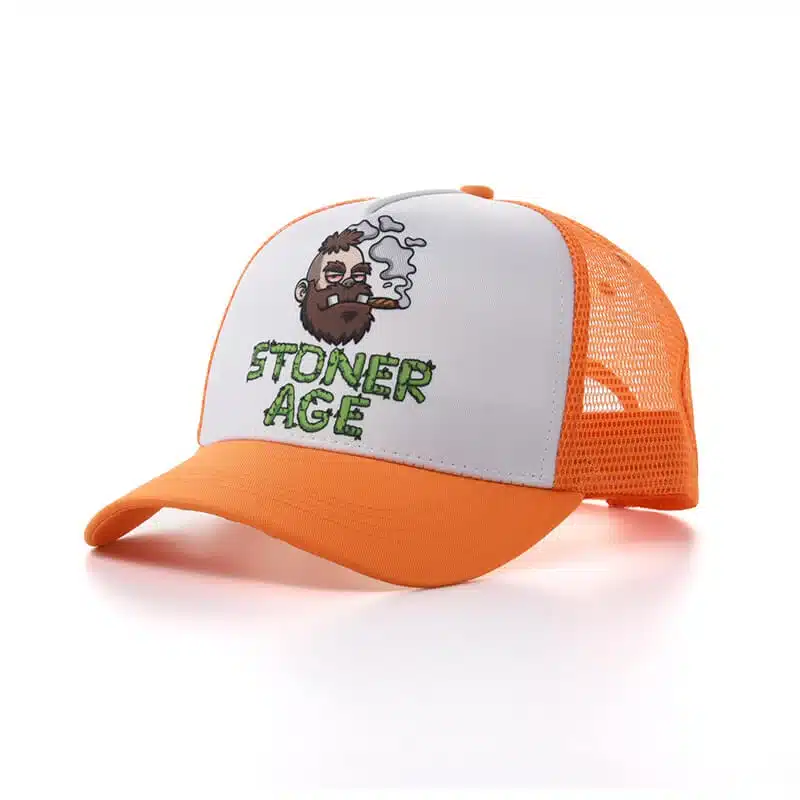
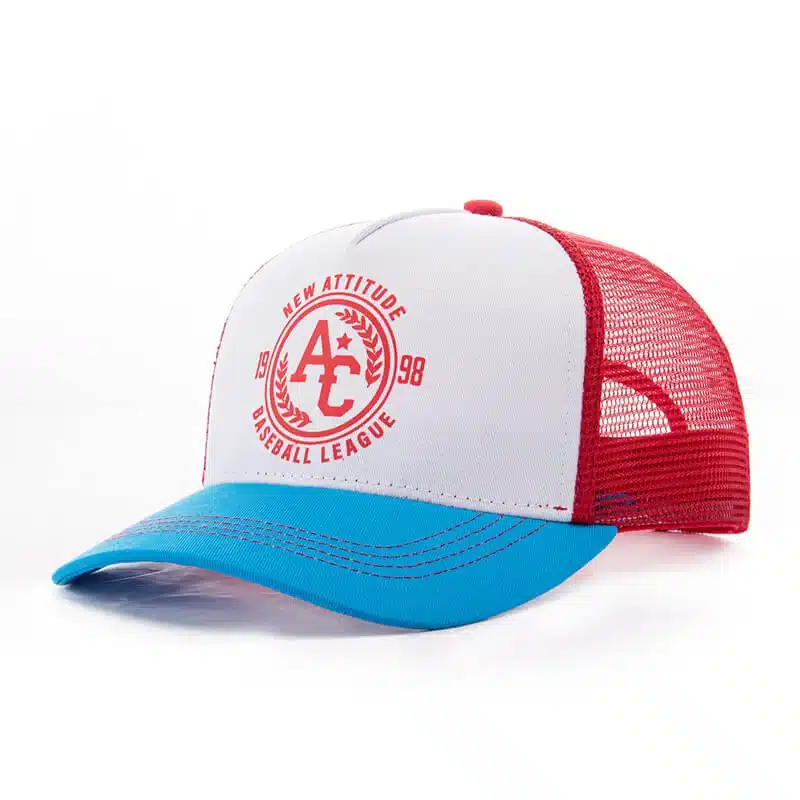
Printing, while versatile and visually striking, tends to be less durable than embroidery. Depending on the method—screen printing, heat transfer, or sublimation—the design can wear over time. Exposure to friction, washing, and UV light may cause printed graphics to fade, crack, or peel, particularly on hats made from textured or thick fabrics. That said, modern printing techniques such as sublimation on polyester blends can offer surprisingly long-lasting results, especially for designs covering large areas or intricate color gradients.
Ultimately, the choice depends on your priorities. If long-term durability and premium appeal are essential, embroidery is typically the superior option. If highly detailed, colorful designs are more important and the hat is intended for shorter-term use or fashion statements, printing may be the better choice. Evaluating how the hat will be used, how often it will be worn, and the environmental conditions it will face ensures you select a method that balances both aesthetic appeal and longevity.
How Sumkcaps Helps You Choose
At Sumkcaps, we understand that selecting between embroidery and printing can feel overwhelming given the many factors involved—hat structure, material, design complexity, budget, and intended use. That’s why we provide expert guidance every step of the way. Our team works closely with clients to evaluate your design goals, target audience, and production requirements, recommending the method that delivers the best balance of durability, aesthetics, and cost-efficiency.
Whether you’re looking for the premium texture and long-lasting quality of embroidery or the vibrant, intricate possibilities of printing, Sumkcaps offers personalized solutions. We also provide sample approvals, fabric testing, and panel mock-ups, ensuring that your final hat meets your vision before full-scale production. By combining technical expertise with creative insight, Sumkcaps helps you make informed decisions that elevate your brand and maximize the impact of your custom hats.
Conclusion
Choosing between embroidery and printing on hats is more than a simple aesthetic decision—it directly affects durability, brand perception, and production efficiency. Embroidery offers a classic, textured look with exceptional longevity, while printing provides unmatched flexibility for intricate designs and vibrant colors. By considering factors such as hat structure, panel number, material, design placement, closure type, intended use, target audience, and budget, you can select the method that best aligns with your goals.
With the guidance and expertise of Sumkcaps, navigating this choice becomes seamless. Whether prioritizing premium quality or creative expression, a well-informed decision ensures your custom hats make a lasting impression. By planning carefully and understanding the trade-offs, you can achieve both style and functionality, creating hats that look great, perform well, and strengthen your brand presence.