
Trapper Hat vs. Aviator Hat: Key Differences

A trapper hat is typically designed for cold-weather coverage and practical warmth, while an aviator hat emphasizes a classic pilot-inspired look with ear coverage and a distinctive silhouette. However, the two styles can overlap in construction, materials, and insulation. The main differences lie in their traditional design, styling details, intended use, and the way each […]
Bonnet de trappeur ou oushanka : quelle est la différence ?
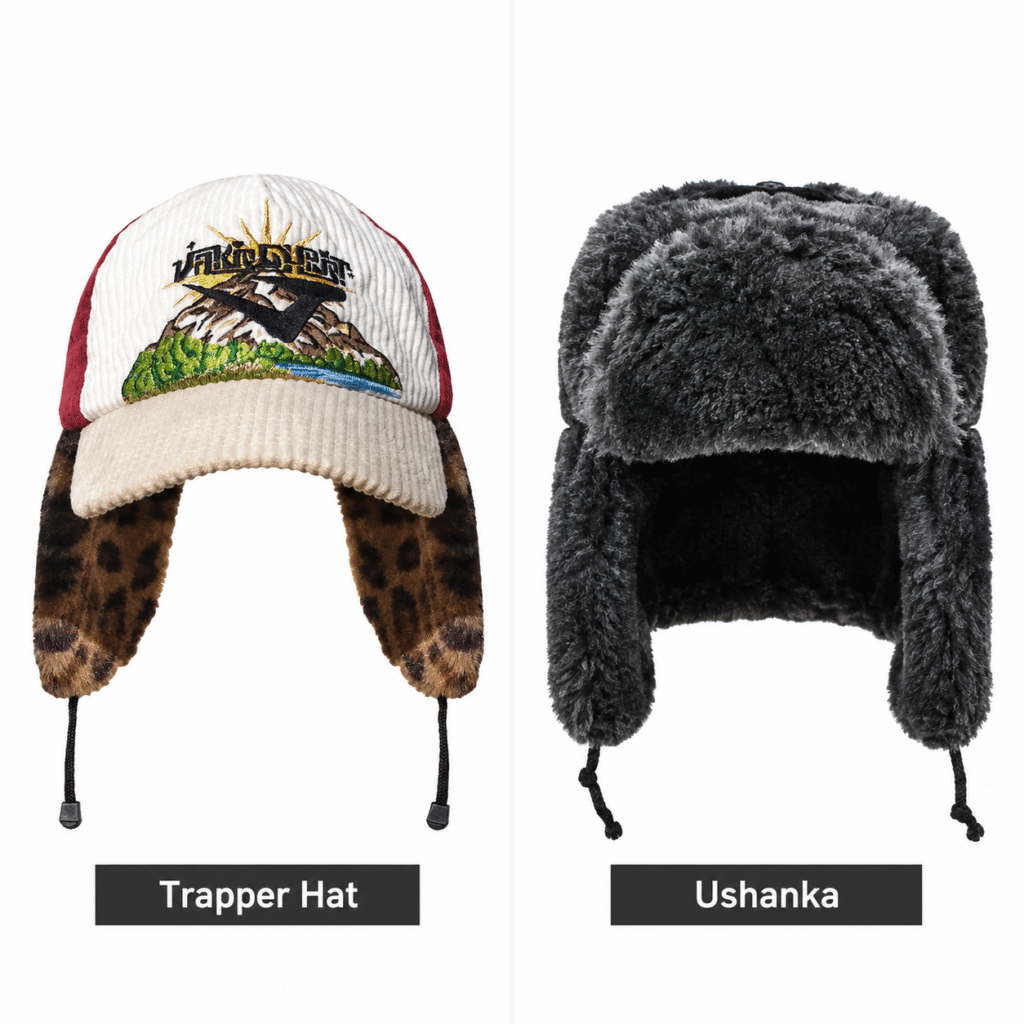
Les chapeaux de trappeur et les ushankas sont tous deux des chapeaux d'hiver conçus pour protéger la tête et les oreilles du froid, mais ils ne sont pas tout à fait identiques. Un chapeau de trappeur associe généralement des oreillettes à une calotte structurée et souvent à une visière à l'avant, tandis qu'un ushanka se reconnaît traditionnellement à sa calotte arrondie, à ses larges oreillettes et à […]
Best Materials for Trapper Hats: Fleece, Wool, Nylon, and More
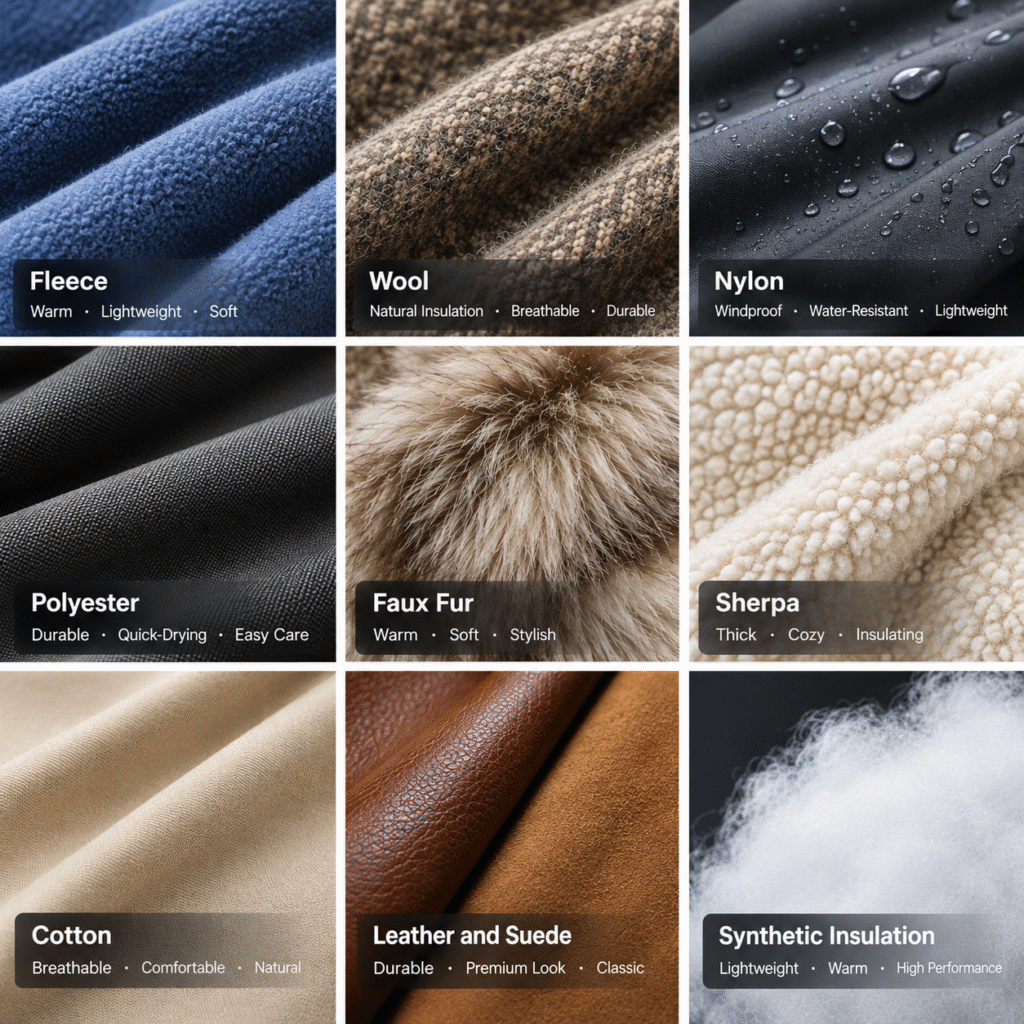
Fleece, wool, nylon, polyester, faux fur, and Sherpa are among the most common materials used for trapper hats. Fleece provides lightweight warmth, wool offers excellent insulation, nylon improves wind and moisture resistance, while faux fur and Sherpa are often used for soft, warm linings and earflaps. The best material depends on the intended weather conditions, […]
Différence entre les chapeaux à armature en K et ceux à armature en A : définitions, choix et utilisations

The main difference between K-Frame and A-Frame hats is the construction and visual profile of the front crown. A-Frame hats generally feature a more pronounced, upright front profile that creates a bold and structured appearance, while K-Frame hats typically have a smoother, more controlled crown silhouette. The choice depends on the intended look, branding requirements, […]
Visière ou casquette de course : laquelle est la meilleure pour courir ?

A visor is generally better for running when airflow, heat release, and a lightweight feel are the main priorities, while a running cap is better when you want more head coverage, scalp sun protection, and greater versatility in cooler or changing weather. Both can protect your face and eyes from the sun, but their different […]
Pare-soleil ou casquette de baseball : lequel est le meilleur ?

Une visière est généralement préférable lorsque la circulation de l'air, l'évacuation de la chaleur et la liberté de coiffure sont prioritaires, tandis qu'une casquette de baseball est plus adaptée lorsque l'on souhaite une meilleure protection du cuir chevelu et une polyvalence au quotidien. Les deux protègent les yeux et le haut du visage grâce à leur bord avant, mais la principale différence réside dans la partie supérieure : une visière laisse le sommet […]
Pourquoi porter une visière plutôt qu'une casquette ?

Why wear a visor instead of a hat? The main reason is that a visor shades your eyes and face while leaving the top of your head open for better airflow and heat release. This makes visors especially practical for golf, tennis, running, outdoor training, and other warm-weather activities where staying cool is more important […]
Comment porter une casquette snapback

The best way to wear a snapback hat is to choose a comfortable fit, position the crown naturally on your head, and match the wearing direction, color, and profile with your face shape, hairstyle, outfit, and occasion. Wear it forward for a clean and versatile look, backward for a more relaxed streetwear style, or slightly […]
Casquette de camionneur ou snapback : quelle est la différence ?

The main difference between a trucker hat and a snapback is their construction. A trucker hat typically features solid or foam front panels with mesh side and back panels for better airflow, while a traditional snapback usually has a full-fabric crown and an adjustable plastic snap closure. Trucker hats are generally lighter and more breathable, […]
Comment commander des casquettes en gros depuis la Chine

Ordering bulk hats from China typically involves seven steps: define your hat specifications, find and verify a manufacturer, request a detailed quotation, develop and approve a sample, confirm the purchase order and payment terms, inspect bulk production, and arrange shipping. For custom orders, buyers should confirm the fabric, colors, logo method, size, closure, packaging, MOQ, […]