Saltar para o conteúdo
For importers, distributors, promotional companies, and private label brands, sourcing wholesale rope hats is a strategic purchasing decision rather than simply finding the lowest price. The right supplier helps ensure consistent product quality, on-time delivery, and a smooth production process, while the wrong one can lead to quality issues, delayed shipments, and unnecessary costs.
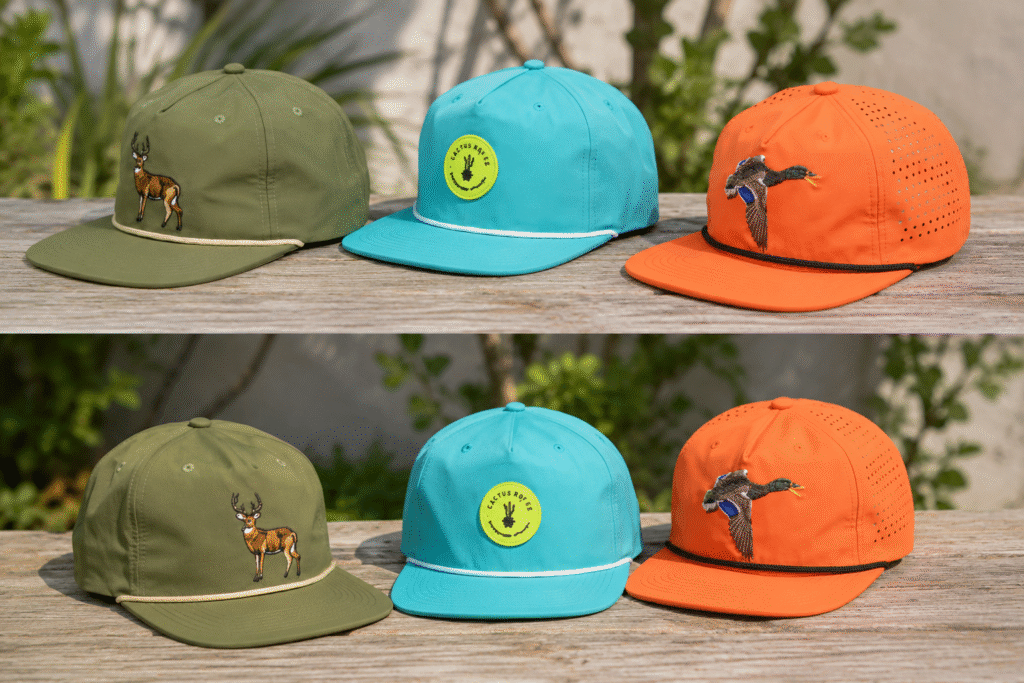
Whether you’re expanding your product range or launching a new collection, this buying guide covers the key factors professional buyers evaluate before placing a bulk order. By understanding how manufacturers operate, what affects quality, and which customization options matter most, you can make more informed sourcing decisions and build a more reliable supply chain.
Define Your Rope Hat Specifications Before Requesting Quotes
A common mistake buyers make is requesting quotations before finalizing product specifications. Since every custom rope hat is different, suppliers can only provide accurate pricing when they receive complete product information.
Before requesting a quotation, prepare a specification sheet that includes:
- Hat construction (5-panel or 6-panel)
- Crown profile
- Visor style (flat or pre-curved)
- Fabric selection
- Rope style and color
- Logo decoration method
- Fecho posterior
- Sweatband and seam tape
- Private label requirements
- Packaging specifications
- Order quantity
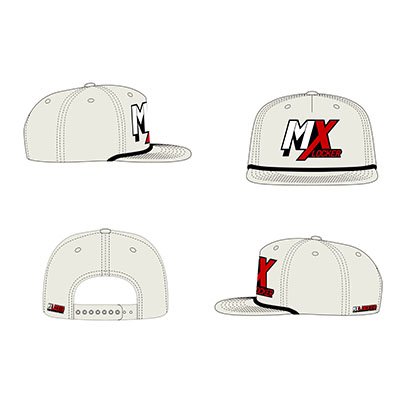
Providing detailed specifications allows suppliers to quote the same product, making price comparisons more meaningful and reducing unnecessary revisions during sampling.
Choose an Experienced Rope Hat Manufacturer
Selecting the right manufacturing partner is one of the most important decisions in the purchasing process. A professional Rope hat manufacturer should provide more than competitive pricing—they should also deliver stable quality, transparent communication, and dependable production.
When evaluating potential manufacturers, consider the following factors.
Experiência de fabrico
Experienced factories have well-established production processes and can efficiently manage custom projects, quality standards, and production schedules. They are also better equipped to solve manufacturing issues before they become costly problems.
Factory Capabilities
Verify whether the supplier owns its production facility or outsources manufacturing. A factory with in-house production generally offers better control over quality, customization, and delivery schedules.
Ask about:
- Production equipment
- Monthly production capacity
- Custom development capabilities
- Serviços OEM e ODM
These factors indicate whether the manufacturer can support both your current order and future business growth.
Quality Management
Reliable manufacturers implement quality control throughout production instead of inspecting products only before shipment. Understanding their inspection process helps reduce the risk of receiving inconsistent products.
Export Experience
Manufacturers with extensive export experience are typically familiar with international packaging standards, shipping documentation, and communication practices, making cooperation more efficient.
How to Evaluate the Quality of Wholesale Rope Hats
Quality is one of the biggest factors affecting customer satisfaction and repeat business. Before approving production, inspect both the visible appearance and the construction details of the cap.
Fabric Quality
The fabric should have a consistent texture, stable color, and sufficient durability for your intended market. Whether you choose cotton, polyester, nylon, or performance materials, the fabric should match your brand positioning.
Embroidery and Logo
Your logo represents your brand, so decoration quality should be carefully reviewed.
Check for:
- Clean stitching
- Accurate positioning
- Consistent thread density
- Smooth edges
- Correct colors
Rope Construction
Unlike standard baseball caps, the rope is the defining feature of a rope hat and deserves careful inspection.
Pay close attention to:
- Straight rope alignment
- Consistent rope thickness
- Secure stitching
- Uniform spacing across the front panel
- Color consistency throughout production
Poor rope installation can immediately reduce the premium appearance of the finished product.
Interior Components
Don’t overlook hidden details such as sweatbands, seam tape, labels, and interior stitching. These components contribute to comfort, durability, and overall product quality.
Understand Your Rope Hat Customization Options
One of the biggest advantages of custom rope hats is the flexibility to personalize nearly every component. Confirming these details before production begins helps avoid unnecessary revisions and keeps your project on schedule.
Customize the Rope
Many buyers focus primarily on logo decoration while overlooking the rope itself. However, customizing the rope is an effective way to create a distinctive product that reflects your brand identity.
Available customization options typically include:
- Cotton rope
- Polyester rope
- Nylon rope
- Braided rope
- Twisted rope
- Single-color rope
- Corda multicolorida
- Matching color rope
- Contrast color rope
- Thick or thin rope
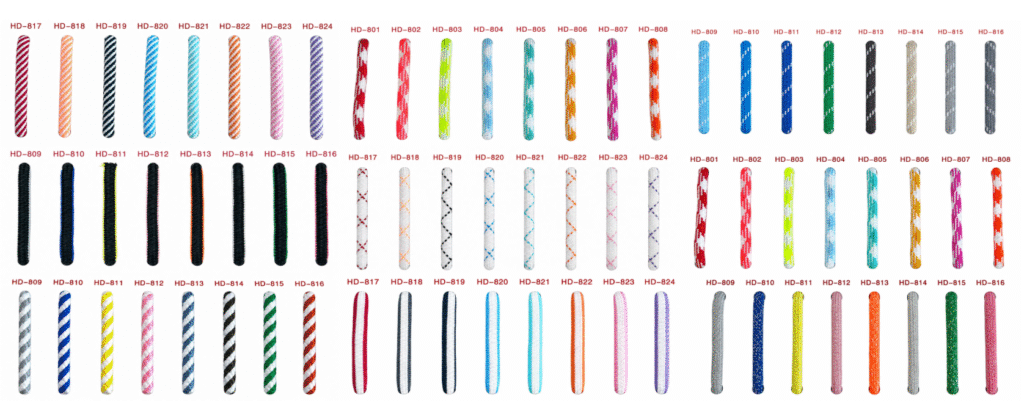
Selecting the right rope style can dramatically change the overall appearance of the cap while enhancing its visual appeal.
Logo Decoration
Choose the decoration method that best suits your branding requirements:
- Bordado plano
- 3D puff embroidery
- Remendo tecido
- Remendo de couro
- Rubber patch
- Logótipo impresso

The decoration method should complement both your logo design and target market.
Additional Customization
You can also personalize:
- Fecho posterior
- Visor shape
- Ilhós
- Top button
- Etiquetas tecidas
- Printed seam tape
- Faixa de transpiração
- Hang tags
- Retail packaging
Discussing every customization detail during product development helps ensure the production sample accurately reflects your expectations.
What Affects Wholesale Rope Hat Pricing?
Wholesale pricing is determined by multiple factors rather than order quantity alone.
The most common cost factors include:
- Fabric selection
- Rope material and construction
- Decoration complexity
- Number of logo locations
- Custom accessories
- Packaging requirements
- Order quantity
- Shipping method
Rather than comparing quotations based solely on unit price, evaluate the overall value each supplier provides, including product quality, communication, production management, and after-sales service.
Sample Approval, Lead Time, and Quality Control
Never begin mass production without approving a physical sample.
A production sample allows you to verify:
- Tecido
- Rope style and color
- Embroidery quality
- Overall construction
- Em forma
- Packaging
Once the sample is approved, confirm the complete production schedule with your supplier.
A professional manufacturer should provide clear timelines for:
- Desenvolvimento de amostras
- Sample revisions (if required)
- Produção em massa
- Final inspection
- Shipment
Quality control should also be performed throughout production, including raw material inspection, in-line inspection, and final product inspection before shipment.
Common Purchasing Mistakes to Avoid
Many sourcing problems can be avoided with proper planning.
Entre os erros mais comuns contam-se:
- Escolher fornecedores com base apenas no preço
- Comparing quotations with different specifications
- Skipping sample approval
- Ignoring rope quality during inspection
- Confirming artwork without verifying colors
- Overlooking packaging requirements
- Failing to confirm production lead times
Addressing these issues early helps minimize delays, unexpected costs, and product quality problems.
Build a Long-Term Partnership with a Reliable Rope Hat Supplier
Purchasing wholesale rope hats should be viewed as a long-term sourcing strategy rather than a one-time transaction. Working with a dependable Rope hat supplier allows you to standardize product quality, shorten development cycles, and simplify future orders.
For growing brands, establishing a stable partnership also improves communication, reduces sampling time, and creates a more efficient supply chain over the long term.
Why Choose Sumkcaps for Wholesale Rope Hats?
Como profissional Chapéu de corda por atacado manufacturer with more than 20 years of industry experience, Sumkcaps provides complete OEM and ODM solutions for global brands, wholesalers, distributors, and promotional companies.
As nossas vantagens incluem:
- MOQ: 200 pcs per design per color
- Factory-direct manufacturing
- Fast sample development (7–9 working days)
- Production lead time of 18–22 working days
- Professional embroidery and custom decoration capabilities
- Extensive rope hat customization options
- Strict quality inspection throughout production
- Flexible payment solutions
- Export experience to over 140 countries
- Dedicated project management and responsive after-sales support
From initial product development to final shipment, our experienced team works closely with every customer to ensure consistent quality, efficient communication, and reliable delivery.
Considerações finais
Finding the right wholesale rope hat supplier is about much more than securing a competitive price. By clearly defining your specifications, evaluating manufacturing capabilities, inspecting product quality, understanding customization options, and confirming production processes, you can significantly reduce sourcing risks and improve long-term purchasing efficiency.
A reliable manufacturing partner will not only deliver high-quality rope hats but also support your business with consistent production, dependable lead times, and scalable solutions as your brand continues to grow.
FAQ
Most manufacturers require an MOQ based on the design and color. At Sumkcaps, the MOQ is 200 unidades por desenho e por cor for custom rope hats.
Yes. You can customize the rope, fabric, logo, visor, closure, labels, sweatband, seam tape, and packaging to match your brand requirements.
Pricing depends on fabric, rope style, logo decoration, order quantity, packaging, and other custom features rather than quantity alone.
Request a sample and inspect the fabric, embroidery, rope attachment, stitching, cap shape, labels, and overall workmanship before mass production.