Zum Inhalt springen
If you’ve ever paused at a hat rack or typed "what is a skull cap beanie,” “skull cap vs beanie,” oder “best skull cap for running” into Google, you’re not alone — those queries reveal a clear appetite for something practical, low-profile, and performance-ready. A skull cap beanie isn’t just another winter accessory; it’s a purpose-built layer that answers modern needs: warmth without bulk, secure fit under helmets and hoods, and moisture control during movement.
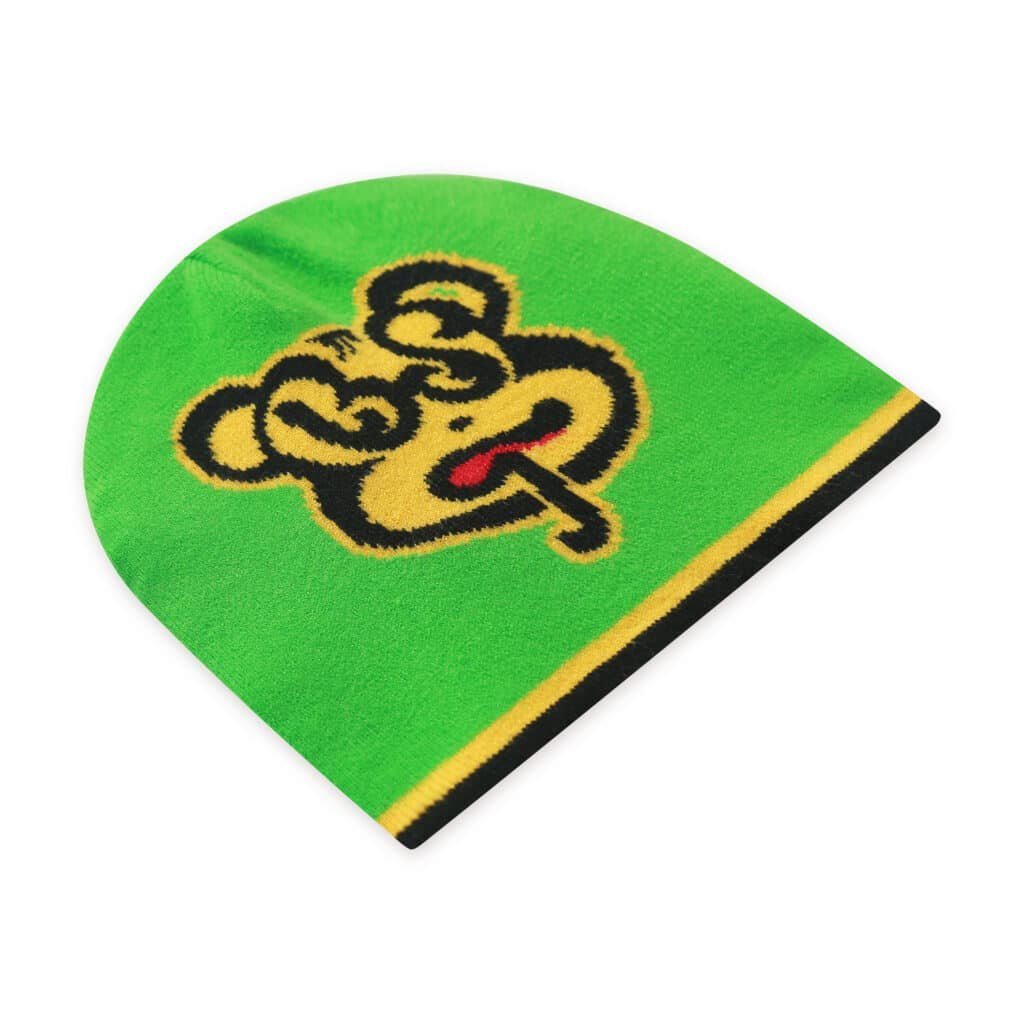
This piece peels back the simple definition and follows the questions searchers actually want answered: how it differs from a regular beanie in silhouette and function, which materials deliver the best balance of warmth and breathability, and why athletes, commuters, and style-minded minimalists all reach for one.
Features of Skull Cap Beanie
A skull cap beanie is defined first by its silhouette: a snug, close-to-the-head shell that follows the skull’s contours rather than creating bulk or a slouch. Think thin crown, minimal seams, and a clean edge that sits just above the hairline — it covers the top and sides of the head without any excess fabric hanging down. That low-profile shape is what makes the skull cap fundamentally different from thicker, fashion-forward beanies: it’s engineered to be unobtrusive, to layer, and to perform.
Material choices are equally purposeful. Lightweight acrylic and polyester blends offer quick-drying, breathable performance for active wear; wool blends (including merino mixes) bring natural insulation, temperature regulation, and odor resistance; while small percentages of spandex or elastane are often blended in to give the cap the stretch and memory needed for a reliable, helmet-friendly fit. Manufacturers deliberately combine fibers so a single piece can feel warm, move with the head, and still pack away flat.
Functionally, the skull cap answers practical needs that modern searchers ask about: warmth without the puff, moisture management during exercise, and a secure liner under helmets or hoods. It minimizes bulk so hairstyles aren’t flattened and so a cyclist’s or worker’s helmet sits correctly; flat or taped seams reduce chafing during long wear. In short, a skull cap beanie is less about fashion statement and more about solving real-world problems — a discreet, technical layer that keeps you comfortable while you move.
Benefits of a Skull Cap Beanie
1. Compact Warmth Without Bulk
A skull cap beanie delivers heat precisely where it’s needed — the scalp — while avoiding the puffiness of traditional beanies. Its close-to-head design ensures warmth without compromising fit under helmets, hoods, or outer layers.
2. Moisture Management and Comfort
Many skull caps use moisture-wicking fabrics that pull sweat away from the skin, keeping the head dry during high-intensity activities. This minimizes the chill that can occur when sweat cools and improves all-day comfort.
3. Helmet and Layer-Friendly Design
The slim silhouette and flat seams make skull caps ideal for layering under bike helmets, ski helmets, or even larger hats. Users experience fewer pressure points and no wobbling, which is a common issue with thicker beanies.
4. Maintains Hair and Style
Unlike bulky beanies that flatten hair, skull caps preserve hairstyles while providing thermal protection. This makes them a practical option for commuters or anyone seeking minimal disruption to appearance.
5. Versatility Across Activities
From running and cycling to winter commuting or casual everyday wear, the skull cap adapts to multiple scenarios. Its unobtrusive design bridges both performance and lifestyle needs, explaining its growing popularity among diverse user groups.
Common Materials for Skull Cap Beanies
1. Acrylic and Polyester Blends
Lightweight, durable, and fast-drying, these synthetic fibers are ideal for everyday wear and high-sweat activities. They resist shrinking and maintain their shape after repeated washing.
2. Wool and Wool Blends
Merino or mixed wool options provide natural warmth, odor resistance, and temperature regulation. They excel in cold climates where both insulation and breathability are critical.
3. Spandex/Elastane Blends
Small amounts of stretch fibers ensure a snug, secure fit that moves with the head. This is particularly important for helmet compatibility and maintaining shape over time.

How to Choose the Right Skull Cap Beanie
1. Start with your primary Zweck
Decide whether the cap will be used mainly for exercise (running, cycling), helmet-lining (skiing, biking, construction), everyday warmth/commuting, oder style/minimalist layering. Each use case shifts the priority: runners want moisture-wicking and breathability, helmet users need thin, non-slip stretch and flat seams, commuters may prefer odor-resistant wool blends, and style-first buyers may accept slightly thicker knits for texture.
2. Prioritize fit & sizing
A true skull cap should hug the head without pinching. Look for products that specify head circumference or offer stretch percentages; small amounts of elastane/spandex (3–10%) provide memory and a secure feel. Consider whether you prefer a very snug “second-skin” fit or a bit more give for comfort over long wear. Check seam placement — flat or taped seams reduce pressure points under helmets and behind ears.
3. Match material to climate and activity
- Warm climates / high-output activity: lightweight polyester blends that wick and dry fast.
- Cold, variable weather: merino or wool blends for insulation and temperature regulation.
- Uniform/industrial use: durable acrylic blends that tolerate frequent washing.
Also factor odor control (wool wins), drying time (synthetics win), and packability (thin synthetics or microfibers fold flatter).
4. Inspect construction & functional features
Look for flat-stitched seams, anatomic shaping around ears, and reinforced edges that won’t roll. If you’ll wear it under a helmet, verify claims about helmet-compatibility and anti-slip linings. Breathability features — mesh panels, vented knits, or thinner crown sections — are useful for active users. Some caps include reflective trims or microfleece linings; choose these extras only if they solve a real need.
5. Consider care, durability & lifecycle
Check washing instructions: merino often needs gentler care; acrylic and polyester are hardier. High-pilling fabrics or loosely spun yarns can look worn quickly; tighter knits and blended constructions usually age better. If sustainability matters, research fiber sources or recycled-content claims.
6. Evaluate style, color, and visibility
Although function leads, color and low-profile styling matter for everyday wear. Neutral tones blend with commuter gear; high-visibility colors or reflective accents are smarter for road users. Think about whether you want reversible designs or branding (logos) that might show under thin outer hats.
7. Align with your budget & brand guarantees
Price often reflects material quality and construction. Invest more if you need technical performance (merino, specialized knits). Check return policies and warranties — a snug fit that’s wrong can’t be fixed, so easy returns are valuable.
Zusammenfassung
The skull cap beanie is a low-profile, functional hat that provides warmth without bulk. Its snug fit, sweat-managing fabrics, and versatile design make it ideal for sports, commuting, or layering under helmets. Choosing the right material and fit ensures comfort, performance, and practicality for everyday use.