Zum Inhalt springen
Tie-dye is no longer just a nostalgic craft trend from the past. In recent years, it has re-emerged as a powerful design element across streetwear, festival fashion, and lifestyle brands. From music events to everyday casual looks, tie-dye patterns are now seen as symbols of creativity, individuality, and relaxed self-expression.
Among all accessories, hats—especially bucket hats—have become one of the most popular items for tie-dye customization. Their soft structure, wide fabric surface, and casual style make them ideal for bold colors and unique patterns.
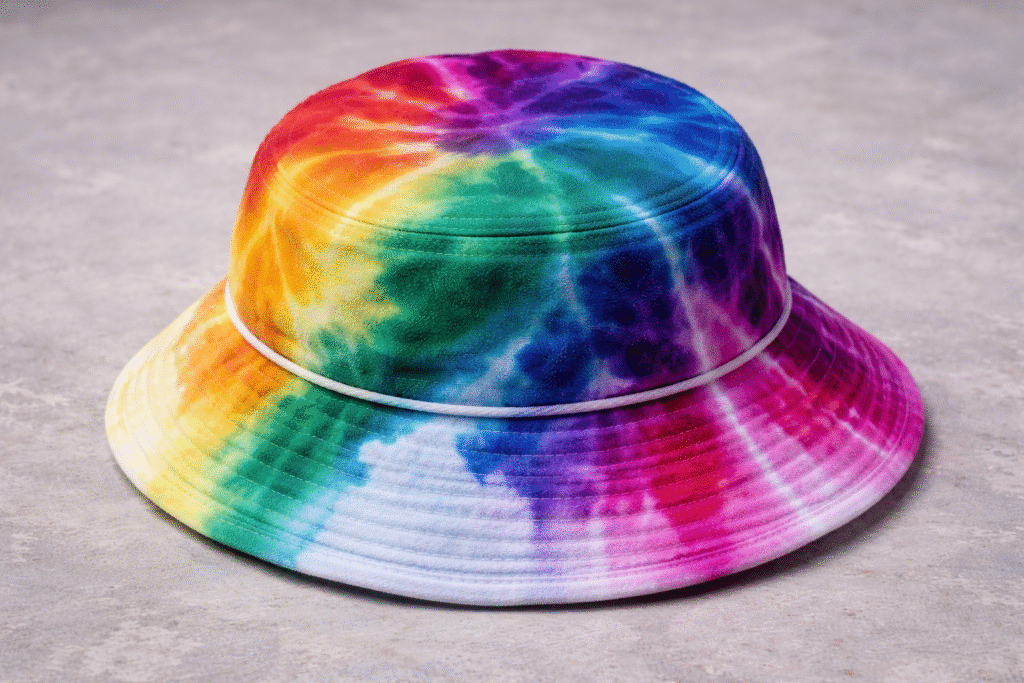
In diesem Leitfaden, we’ll walk you through how to tie-dye a hat step by step, explain which materials work best, highlight common mistakes to avoid, and help you decide whether DIY tie-dye or professional manufacturing is the right choice for your project. This article is designed for DIY beginners, fashion enthusiasts, and brands looking to create custom tie-dye bucket hats.
Why Tie-Dye Hats Are So Popular Today
Tie-dye’s modern comeback is driven by several cultural and fashion shifts. Consumers today are looking for products that feel personal, expressive, and less mass-produced. Tie-dye naturally fits this mindset because no two pieces are ever exactly the same.
Bucket hats, in particular, have become a staple accessory for tie-dye designs. Their popularity is fueled by:
- Streetwear and skate culture
- Festival and summer fashion trends
- The rise of Y2K and retro-inspired aesthetics
- Social media platforms showcasing DIY fashion content
For brands, tie-dye hats offer a way to stand out visually while maintaining a relaxed, youthful image. For individuals, they provide an easy entry point into creative customization.
What Types of Hats Are Best for Tie-Dye?
Not all hats produce the same results when tie-dyed. Choosing the right material and hat style is critical for achieving vibrant, long-lasting colors.
Best Materials for Tie-Dye Hats
The most important factor in tie-dye success is fabric composition.
100% Baumwolle
Cotton is the best material for tie-dye because it absorbs dye evenly and holds color well. Most high-quality bucket hats are made from cotton twill or cotton canvas, both of which respond excellently to fabric dyes.
Cotton Blends
Cotton-polyester blends can be dyed, but colors may appear lighter or less consistent depending on the polyester content.
Polyester (Not Recommended)
Polyester does not absorb standard fabric dyes well. Unless using special disperse dyes, results will be faded and uneven.
Best Hat Styles for Tie-Dye
Eimer Hüte
Bucket hats are widely considered the best style for tie-dye. Their soft, unstructured design allows dye to penetrate evenly, and the wide brim creates more space for patterns.
Baseball-Kappen
Although tie-dyeing baseball caps is possible, the process can be challenging due to the cap’s stiff brim, lining, and structured crown. For more information about tie-dyeing baseball caps, you can consult a Chinese baseball cap supplier.
Fisherman Hats & Soft Brim Hats
These styles can also work well if made from cotton and free of heavy internal structure.
Tools and Materials You Need to Tie-Dye a Hat
Before starting, gather all necessary materials to ensure a smooth process.
You will need:
- A white or light-colored cotton hat
- Fabric dye (fiber-reactive dyes work best)
- Rubber bands or string
- Plastic squeeze bottles or brushes
- Gloves and protective clothing
- Plastic wrap or resealable plastic bags
- Water and mild detergent
Preparing everything in advance helps avoid mistakes during dye application.
Step-by-Step: How to Tie-Dye a Hat
Step 1: Pre-Wash the Hat
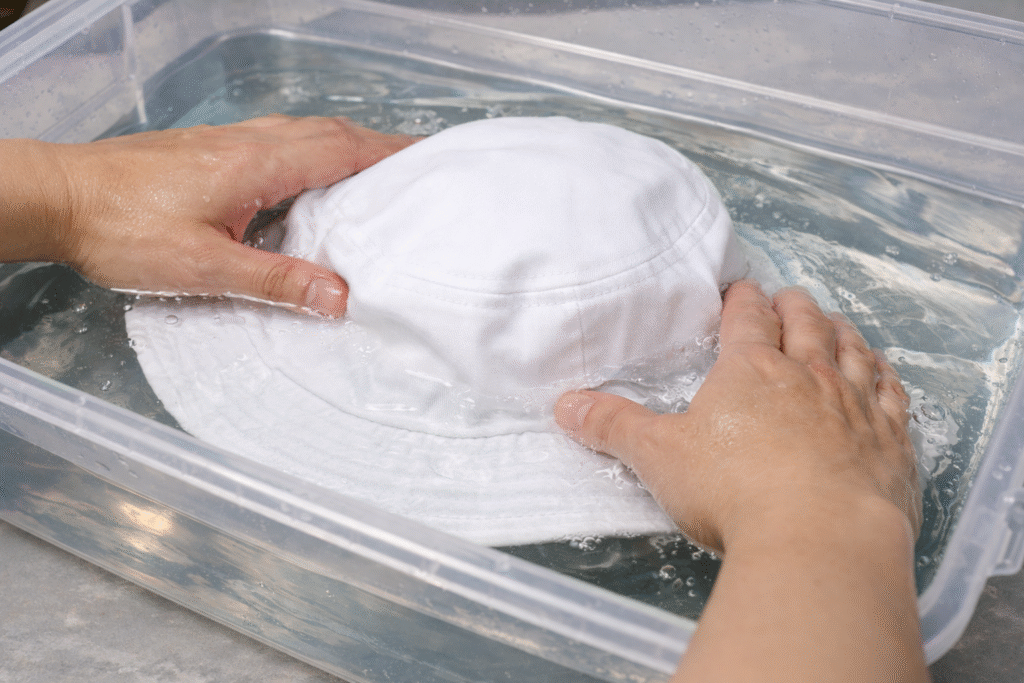
Always wash the hat before dyeing. New hats often contain finishes or sizing agents that prevent dye from absorbing properly. Use mild detergent and avoid fabric softener.
Leave the hat slightly damp before tying—it helps the dye spread more smoothly.
Step 2: Choose Your Tie-Dye Pattern
How you fold or tie the hat determines the final design. Some popular patterns include:
Spiral Pattern
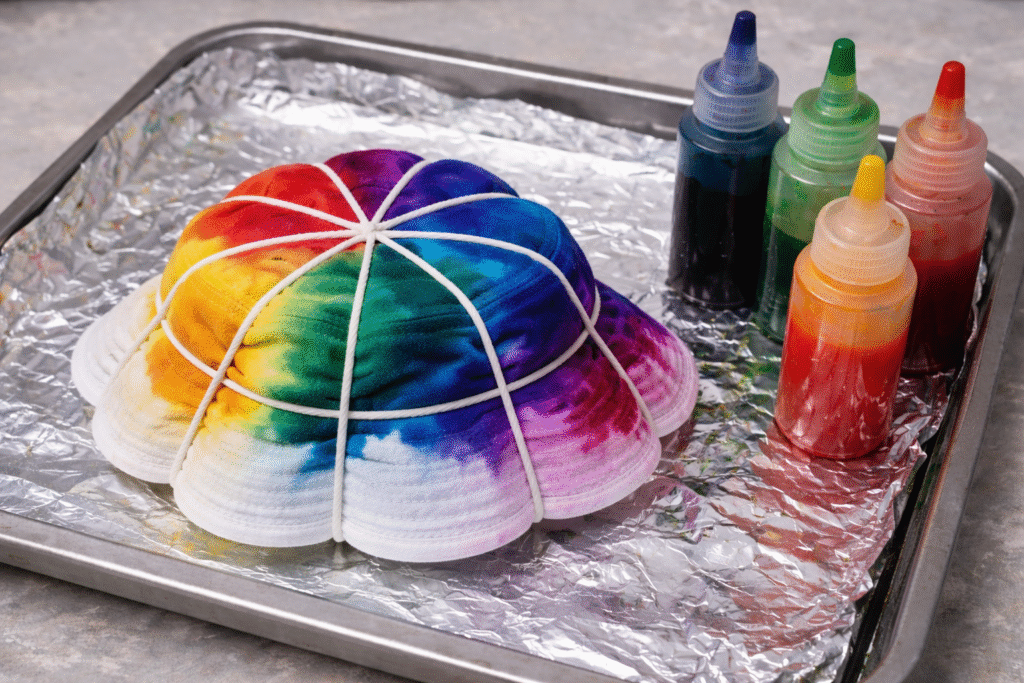
Pinch the center of the hat and twist it into a spiral. Secure with rubber bands dividing it into sections.
Crumple Pattern
Randomly scrunch the hat into a loose ball. This creates an organic, unpredictable look.
Stripe Pattern
Fold the hat in straight or diagonal pleats for linear designs.
Sunburst Pattern
Pinch small sections and tie them off individually to create circular bursts of color.
There is no “wrong” pattern—experimentation is part of the appeal.
Step 3: Apply the Dye
Prepare your dyes according to the manufacturer’s instructions. Apply color section by section using squeeze bottles or brushes.
Tips for better results:
- Start with lighter colors first
- Avoid oversaturating the fabric
- Leave some white space for contrast
- Flip the hat to ensure even coverage
Layering colors carefully helps prevent muddy tones.
Step 4: Let the Dye Set
Once dyed, wrap the hat in plastic or place it in a sealed bag. Let it sit for 6 to 24 hours, depending on the dye used and desired color intensity.
Longer setting times generally produce richer, more vibrant colors.
Step 5: Rinse, Wash, and Dry
Rinse the hat under cold water until the water runs mostly clear. Remove rubber bands and continue rinsing gently.
Wash the hat separately in cold water using mild detergent. Air-dry for best results, as high heat can affect both color and shape.
Common Mistakes When Tie-Dyeing a Hat
Many first-time tie-dyers encounter avoidable issues. The most common mistakes include:
- Using synthetic fabrics
- Skipping the pre-wash step
- Applying too much dye
- Mixing incompatible colors
- Not allowing enough setting time
- Washing in hot water immediately after dyeing
Understanding these pitfalls helps you achieve cleaner patterns and longer-lasting results.
How to Care for a Tie-Dye Hat After Dyeing
Proper care is essential to preserve color vibrancy.
- Wash tie-dye hats separately the first few times
- Always use cold water
- Avoid bleach and harsh detergents
- Air-dry when possible
- Store away from direct sunlight
With the right care, a tie-dye hat can maintain its appearance for years.
DIY Tie-Dye vs Custom Tie-Dye Hats from Manufacturers
While DIY tie-dye is fun and creative, it’s not always the best solution—especially for brands or bulk orders.
DIY Tie-Dye Hats: Pros and Cons
Profis
- Low startup cost
- High creative freedom
- Ideal for personal use or small batches
Nachteile
- Inconsistent results
- Time-consuming
- Difficult to scale
- Color fastness varies
Custom Tie-Dye Hats by Professional Manufacturers
For fashion brands, retailers, or promotional projects, working with a professional manufacturer offers significant advantages.
Unter SumkcapsWir sind spezialisiert auf custom tie-dye bucket hats using controlled dyeing processes that ensure:
- Consistent color reproduction
- Excellent color fastness
- Scalable production
- Stable hat shape after washing
- OEM & ODM customization options
As an experienced bucket hat manufacturer in China, Sumkcaps supports brands from design development to bulk production, helping transform creative concepts into reliable retail-ready products.
Frequently Asked Questions About Tie-Dye Hats
Can you tie-dye a colored hat?
Yes, but results depend on the base color. White or light-colored hats work best.
How long does tie-dye last on hats?
With proper dye and care, tie-dye can last for years without significant fading.
Can you tie-dye a hat with embroidery?
Yes, but embroidery threads may not absorb dye, creating contrast.
Are tie-dye hats safe for kids?
When using non-toxic fabric dyes and proper rinsing, they are generally safe.
Final Thoughts: Create or Customize Your Perfect Tie-Dye Hat
Tie-dye hats combine creativity, color, and individuality in a way few accessories can. Whether you’re experimenting at home or building a fashion collection, understanding the tie-dye process helps you achieve better results.
For personal projects, DIY tie-dye is an enjoyable and rewarding experience. For brands seeking consistent quality, scalability, and professional finishes, custom manufacturing is the smarter long-term solution.
If you’re looking to develop custom tie-dye bucket hats, Sumkcaps is ready to support your brand with expert craftsmanship, flexible MOQs, and reliable production.
Sumkcaps - Professional Bucket Hat Manufacturers China
Custom Tie-Dye | OEM & ODM | Factory Direct